Professional Training & Technical Practice
I invest significant time in hands-on training to ensure that my work is accurate, safe.
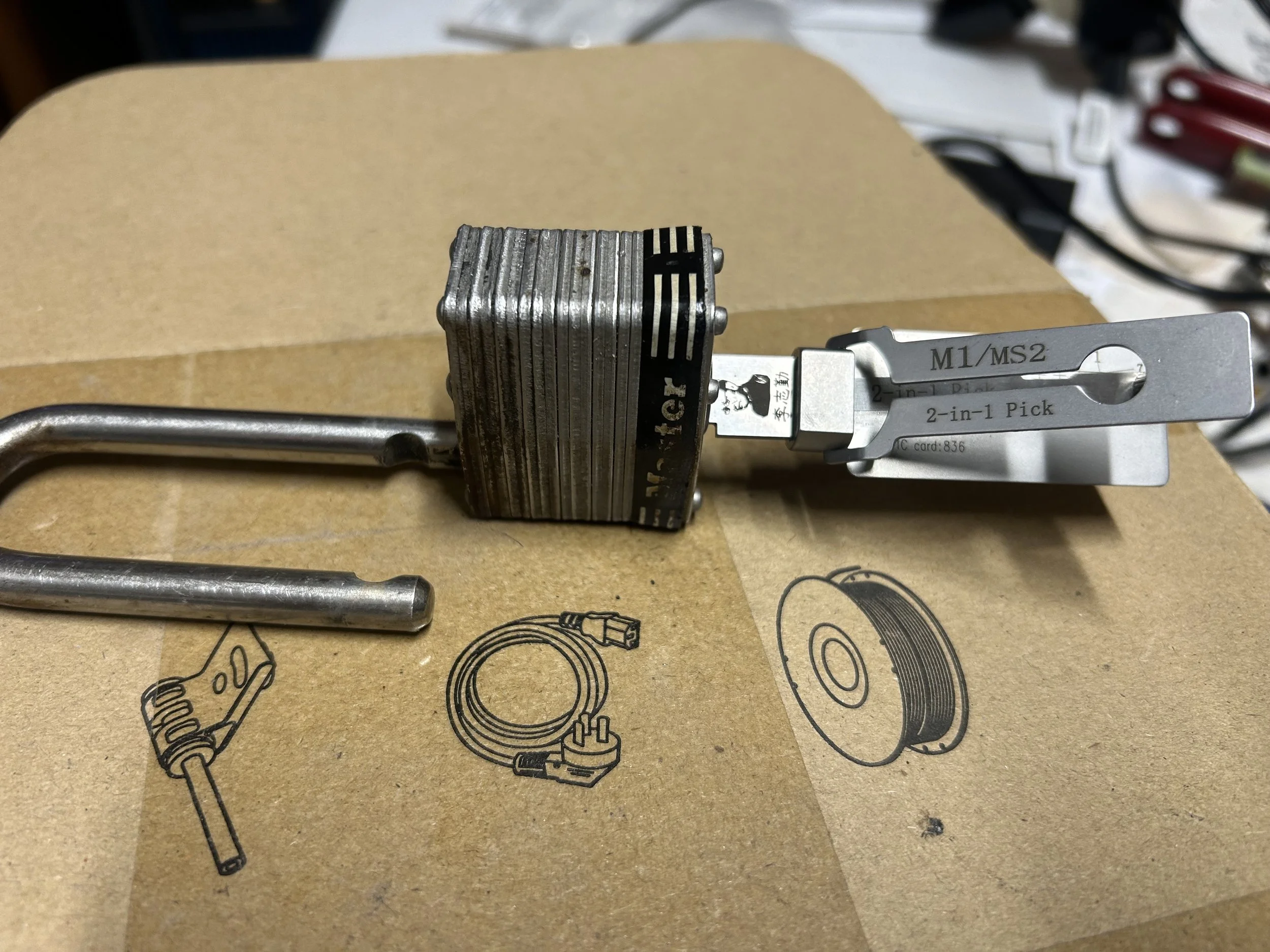
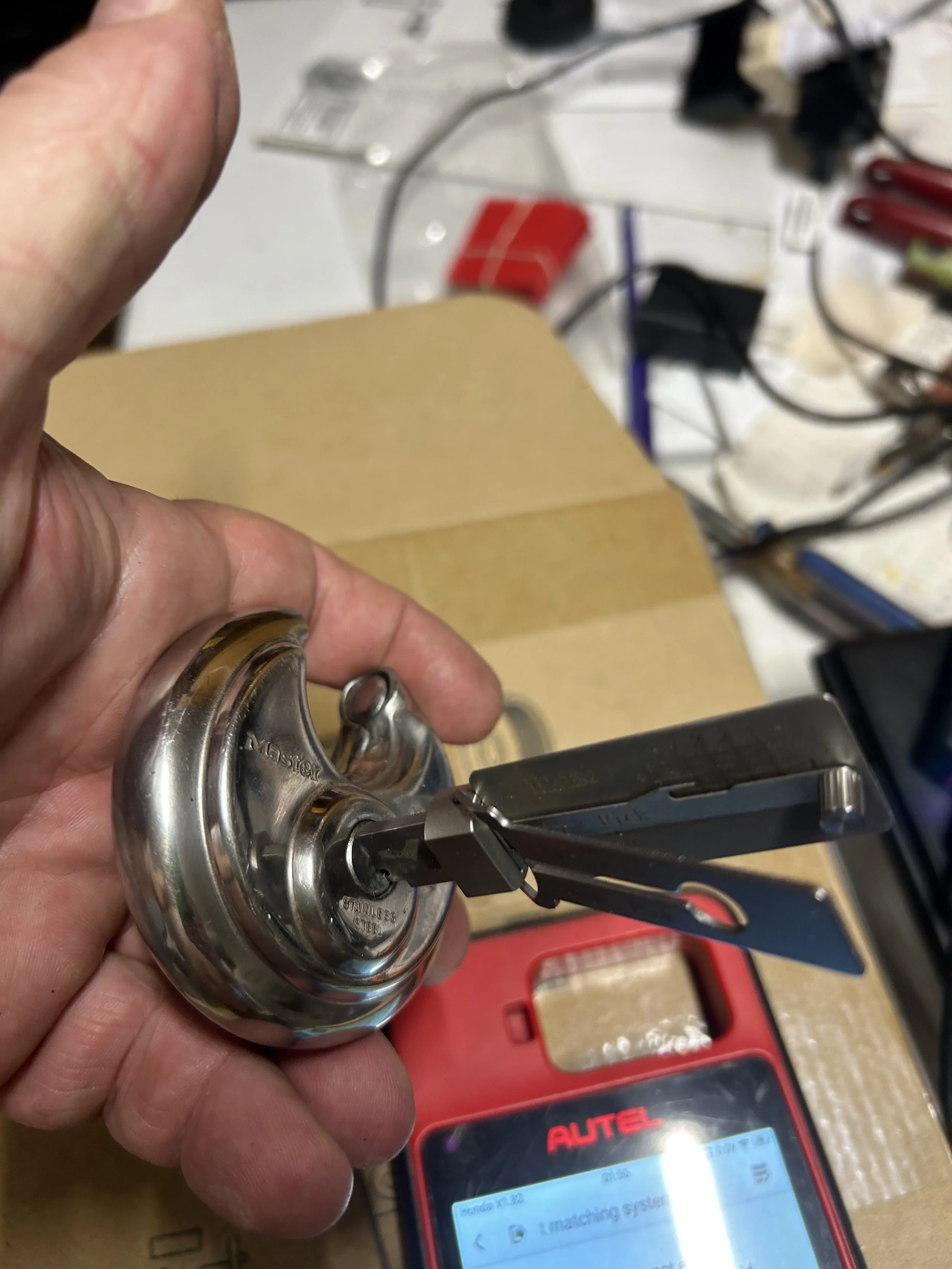
Lock Picking & Mechanical Decoding Practice
I regularly train with real automotive locks using professional tools such as Lishi decoders. This allows me to:
🔹 Practice decoding and picking techniques on test locks
🔹 Learn key bitting and wafer behavior across different manufacturers
🔹 Improve speed and accuracy without risking damage to a customer’s vehicle
This training helps ensure that when I arrive at a job, the process is efficient and the vehicle hardware is treated carefully.
EEPROM & Immobilizer Training
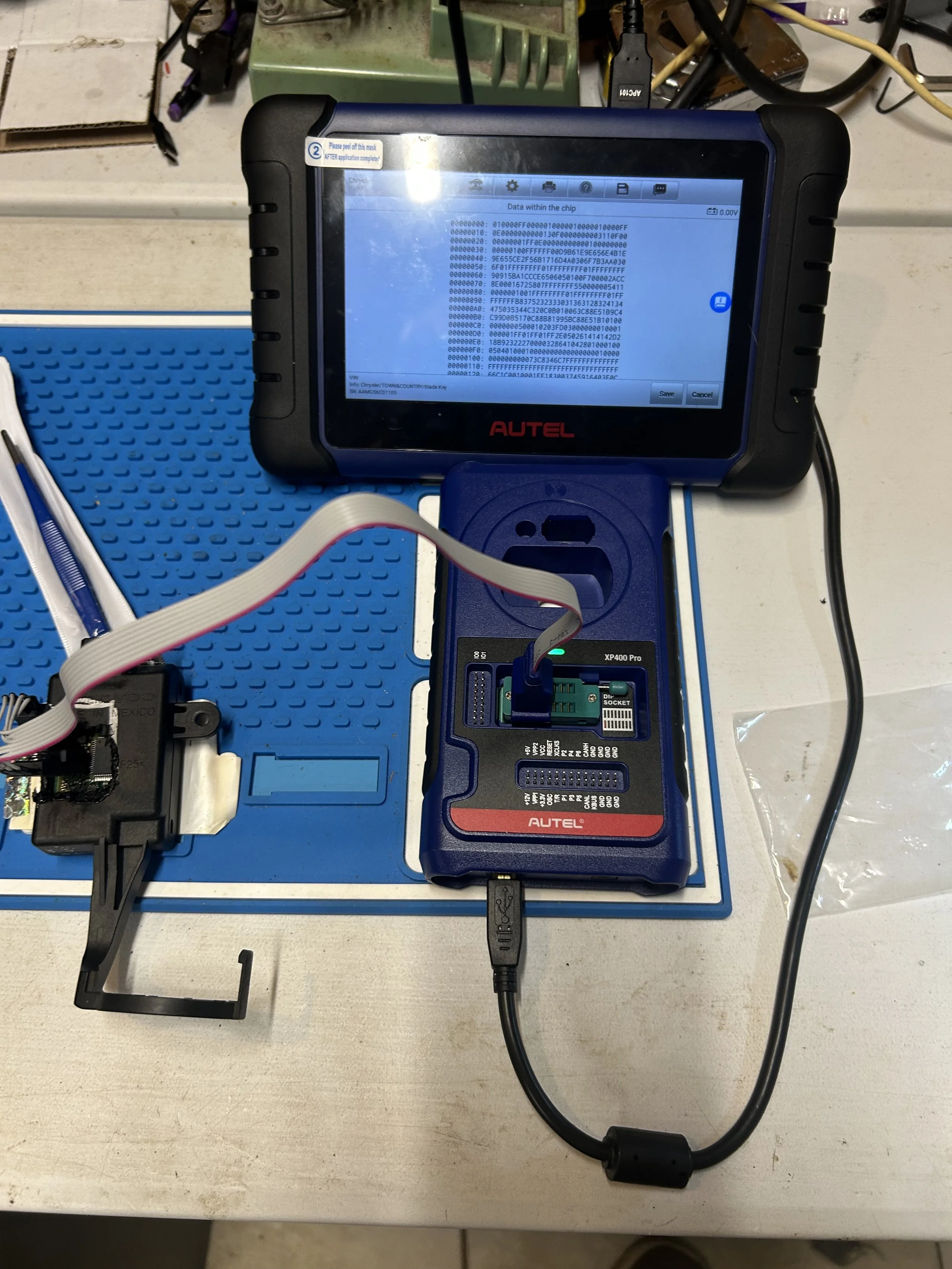
Advanced immobilizer work requires precision and experience. To develop these skills responsibly, I practice on my own modules and equipment.
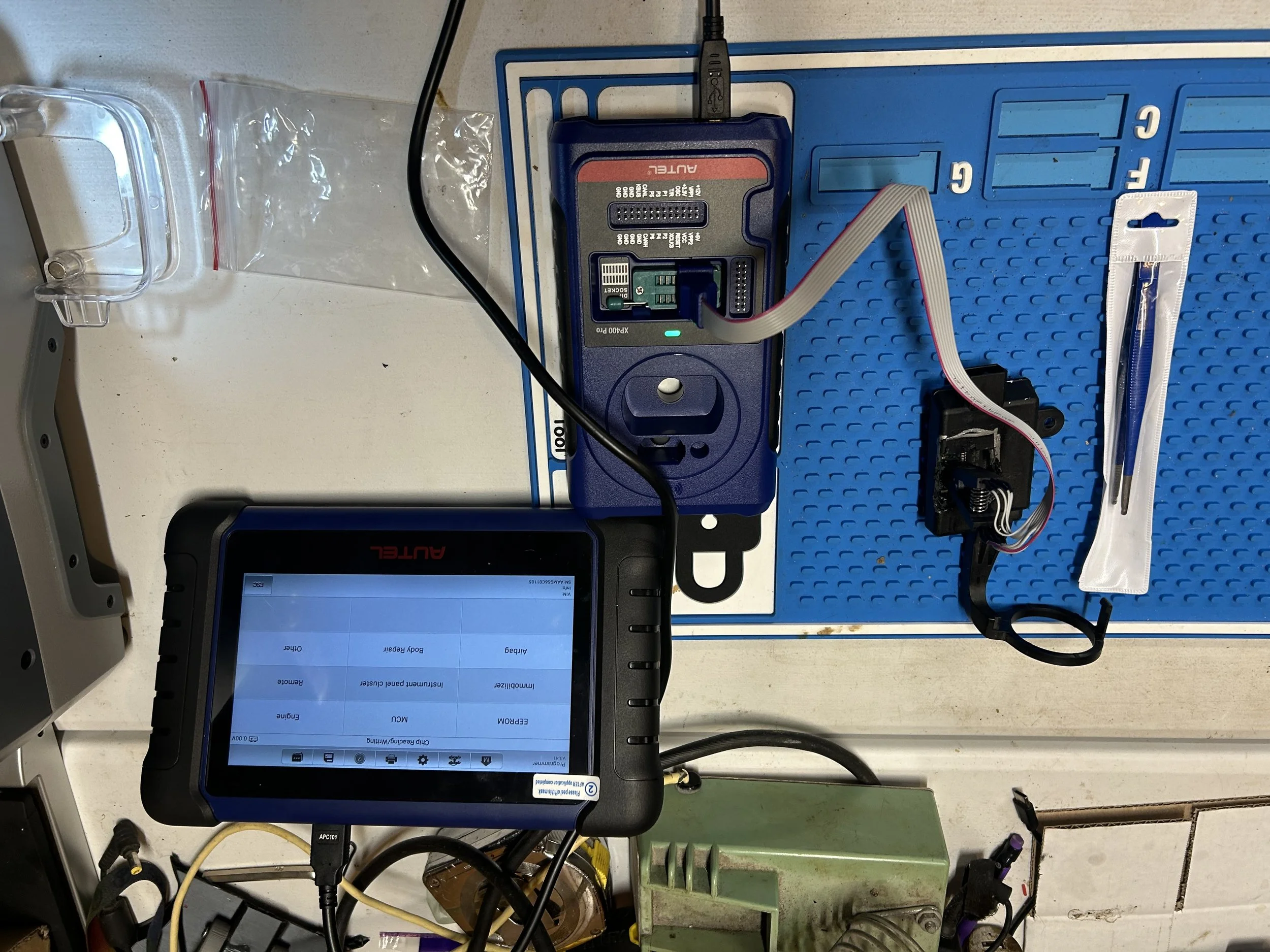
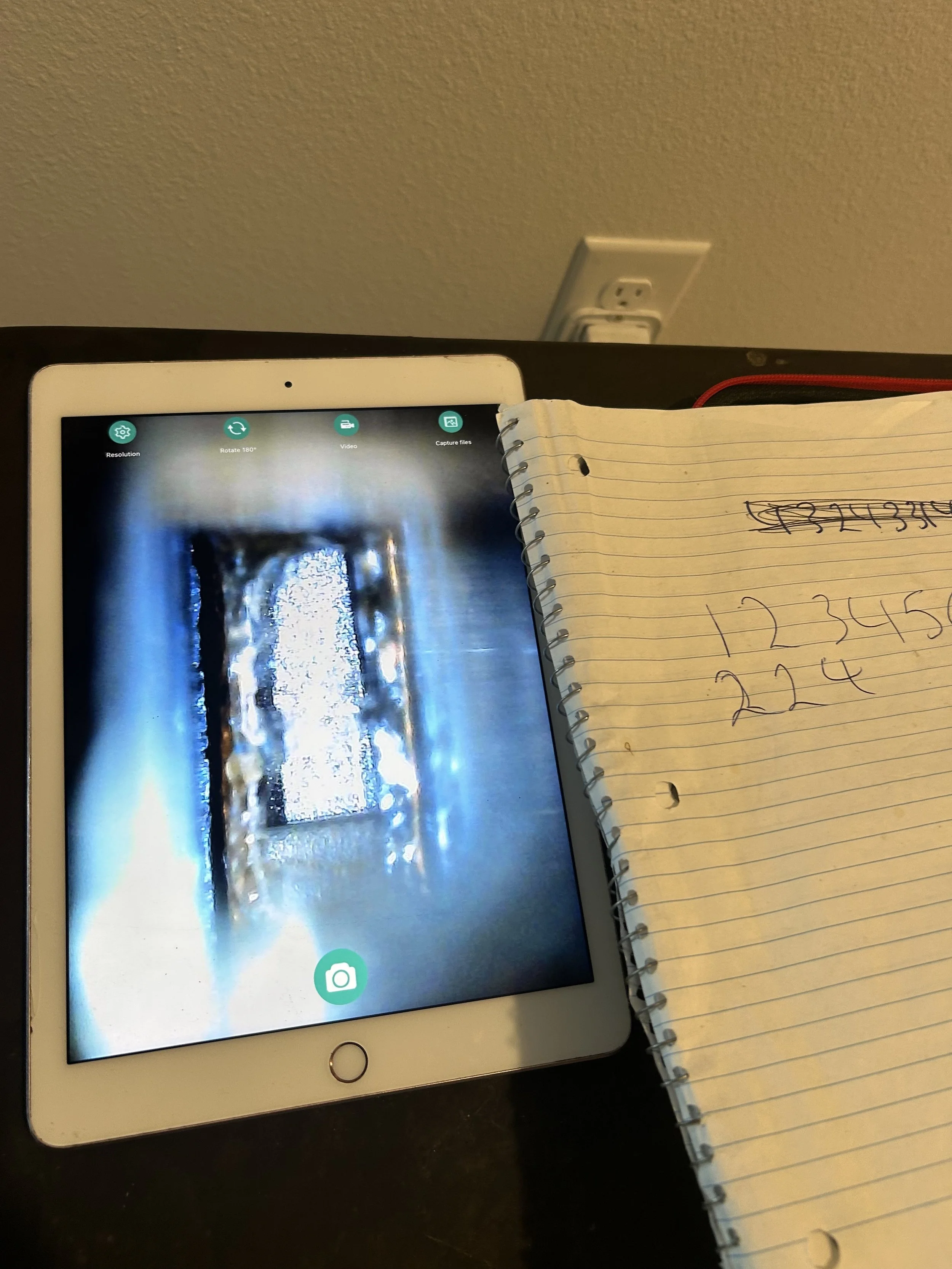
🔹 Reading and analyzing EEPROM data from test modules
🔹 Practicing soldering and chip removal on spare boards
🔹 Learning immobilizer structure and key slot data
🔹 Extracting PIN codes and immobilizer information in a controlled environment
This approach allows me to understand the systems deeply while avoiding mistakes on customer vehicles.
Equipment Testing & Simulation
Before using tools in the field, I test and simulate procedures using my own equipment.
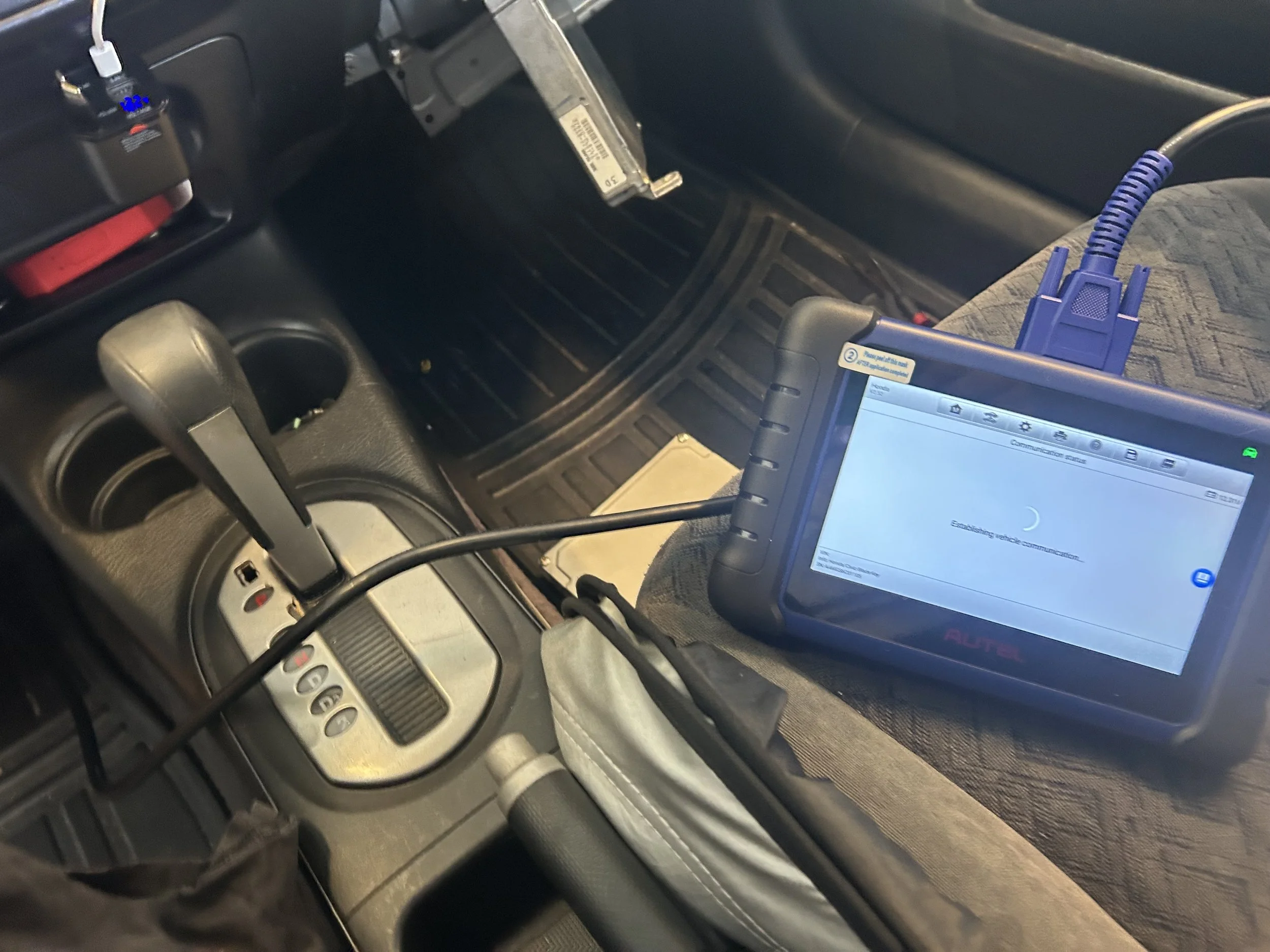
🔹 Testing key programming tools and diagnostic equipment
🔹 Practicing ECU/immobilizer synchronization procedures
🔹 Verifying key cloning and transponder behavior
🔹 Running diagnostic scans and learning vehicle communication systems
This preparation ensures I am familiar with the tools and procedures before performing real work.
Commitment to Responsible Learning
Locksmith and automotive security work requires constant learning. My approach is simple:
🔹 Practice first
🔹 Understand the system
🔹 Verify procedures
🔹 Then perform the service
This reduces risk, improves efficiency, and ensures better results for customers.

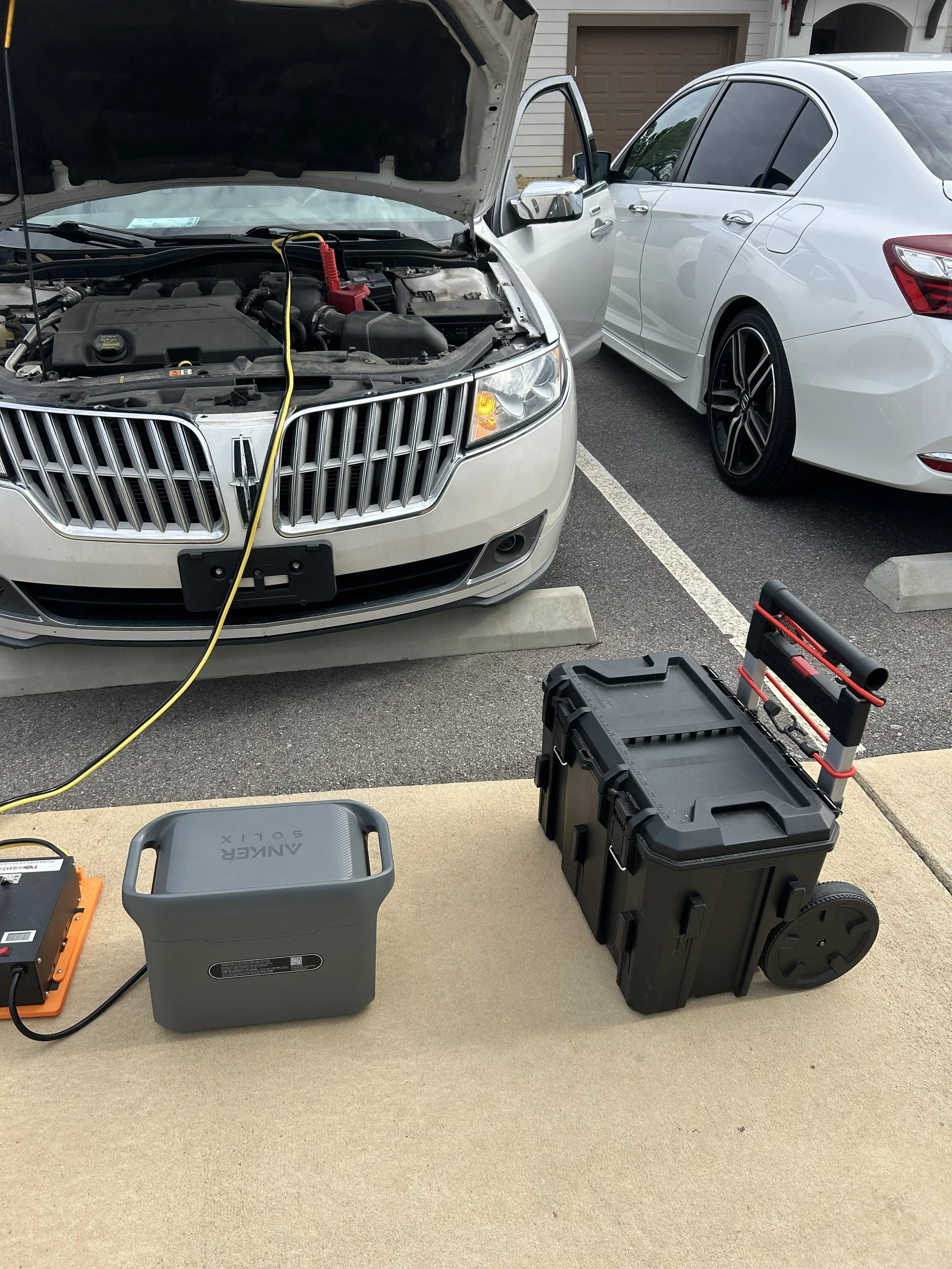
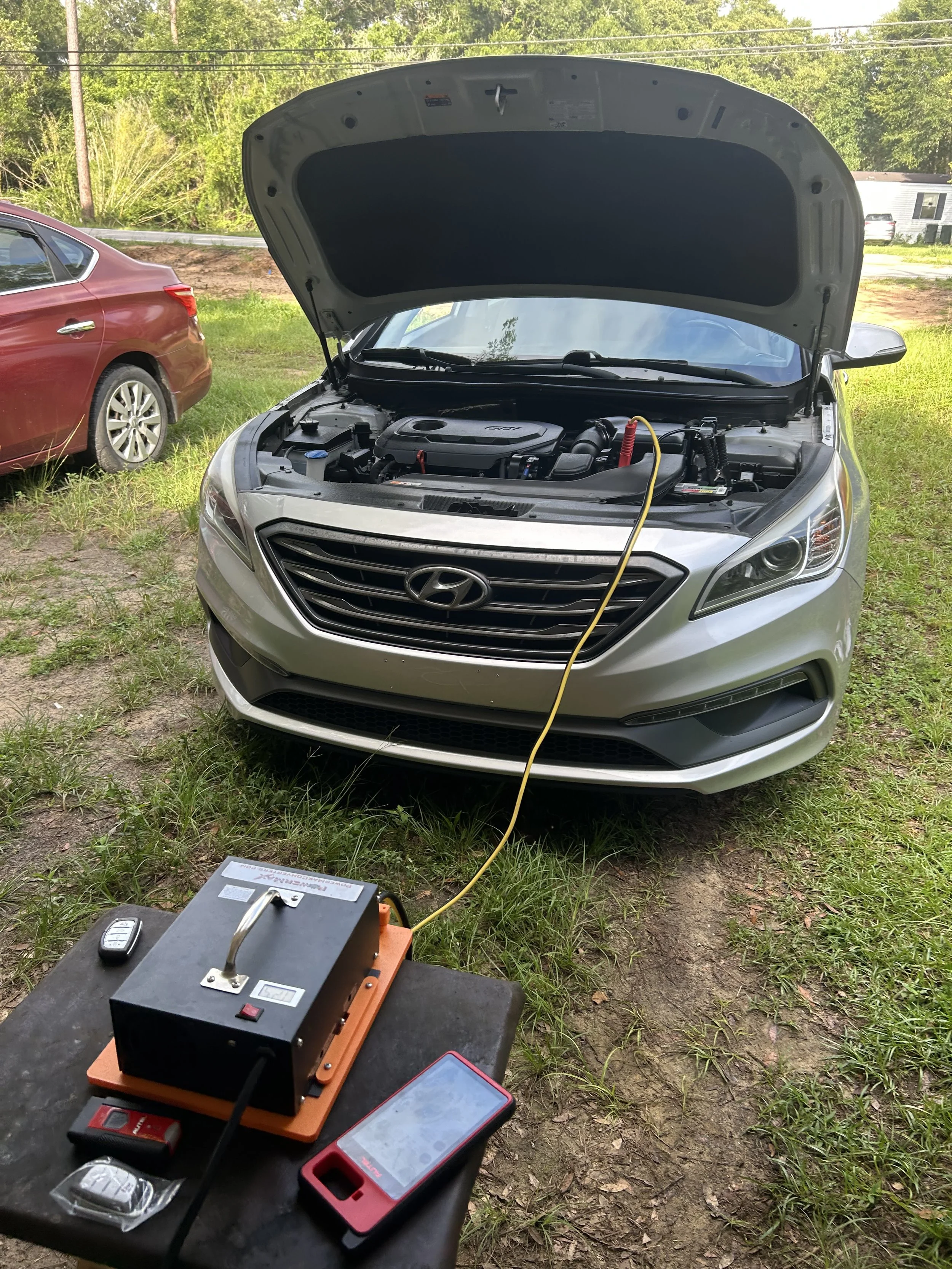
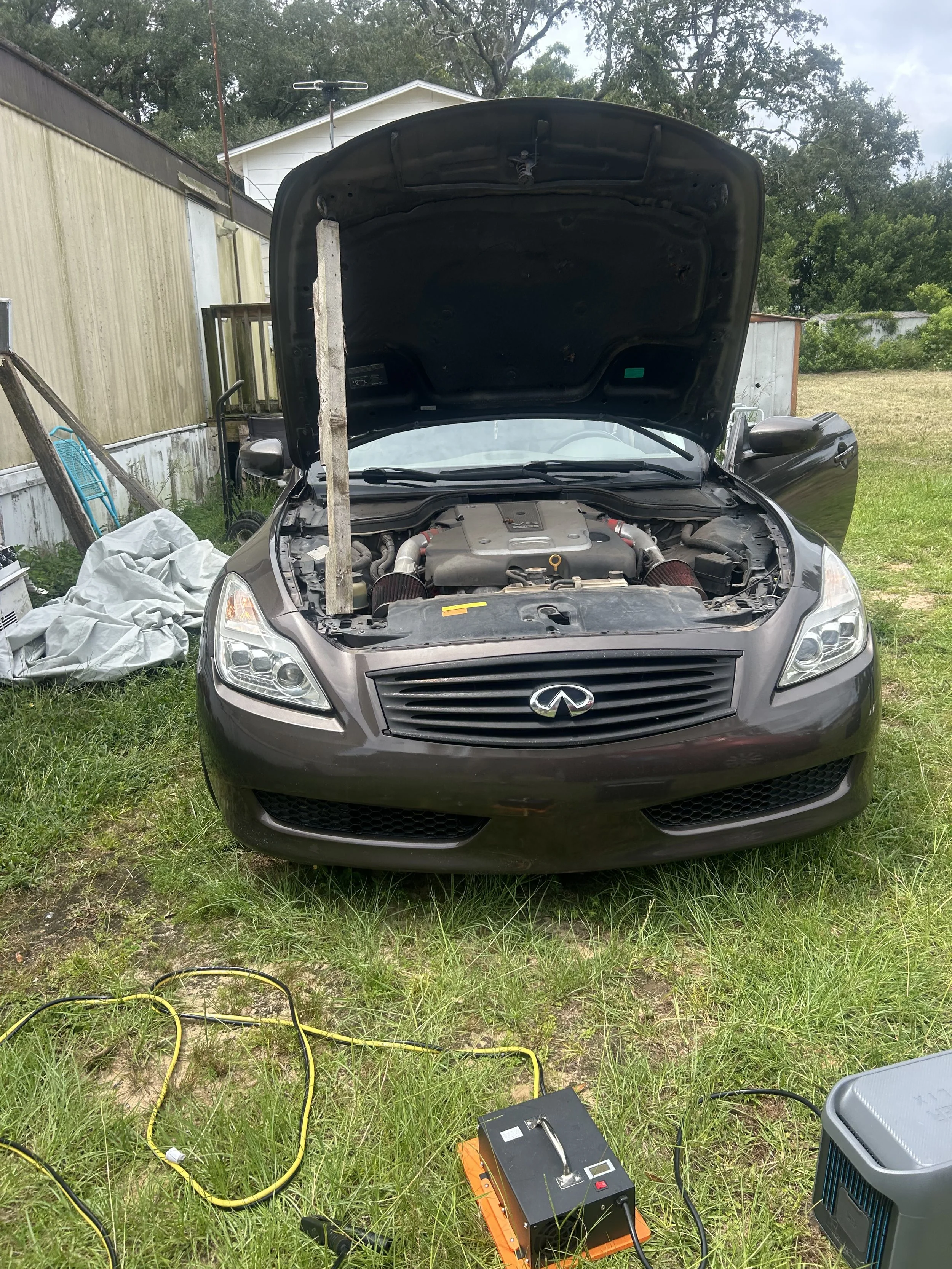
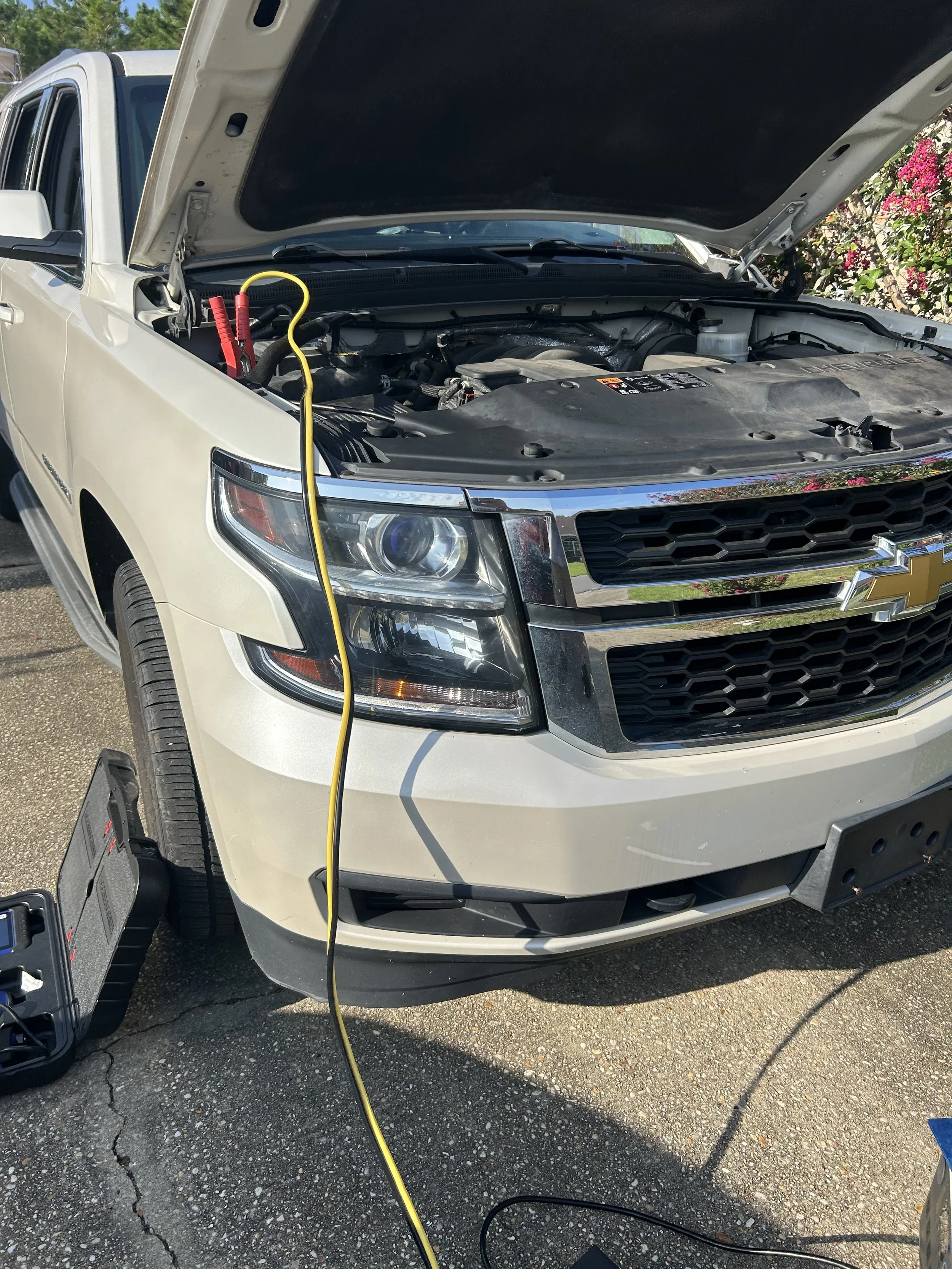
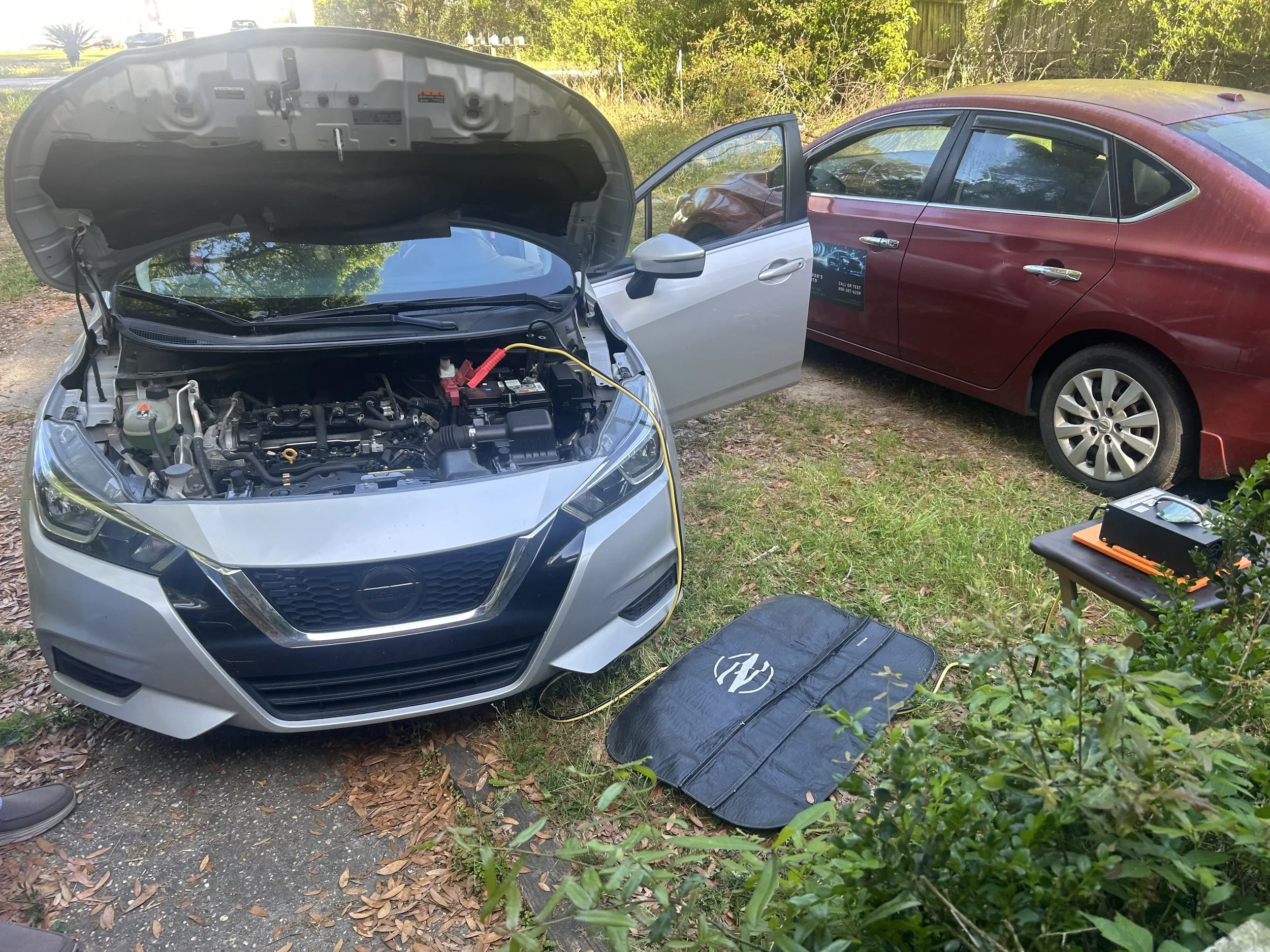
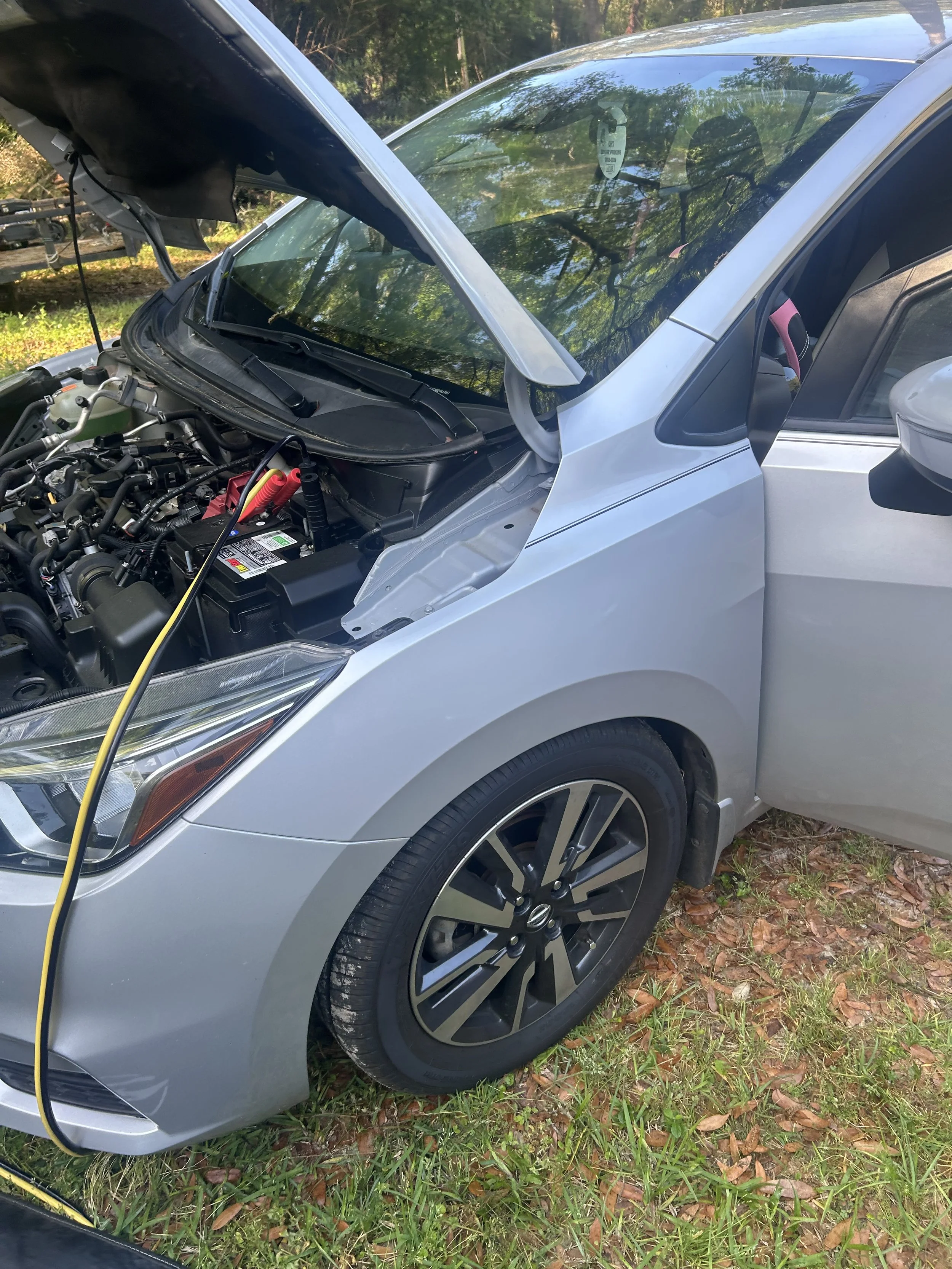
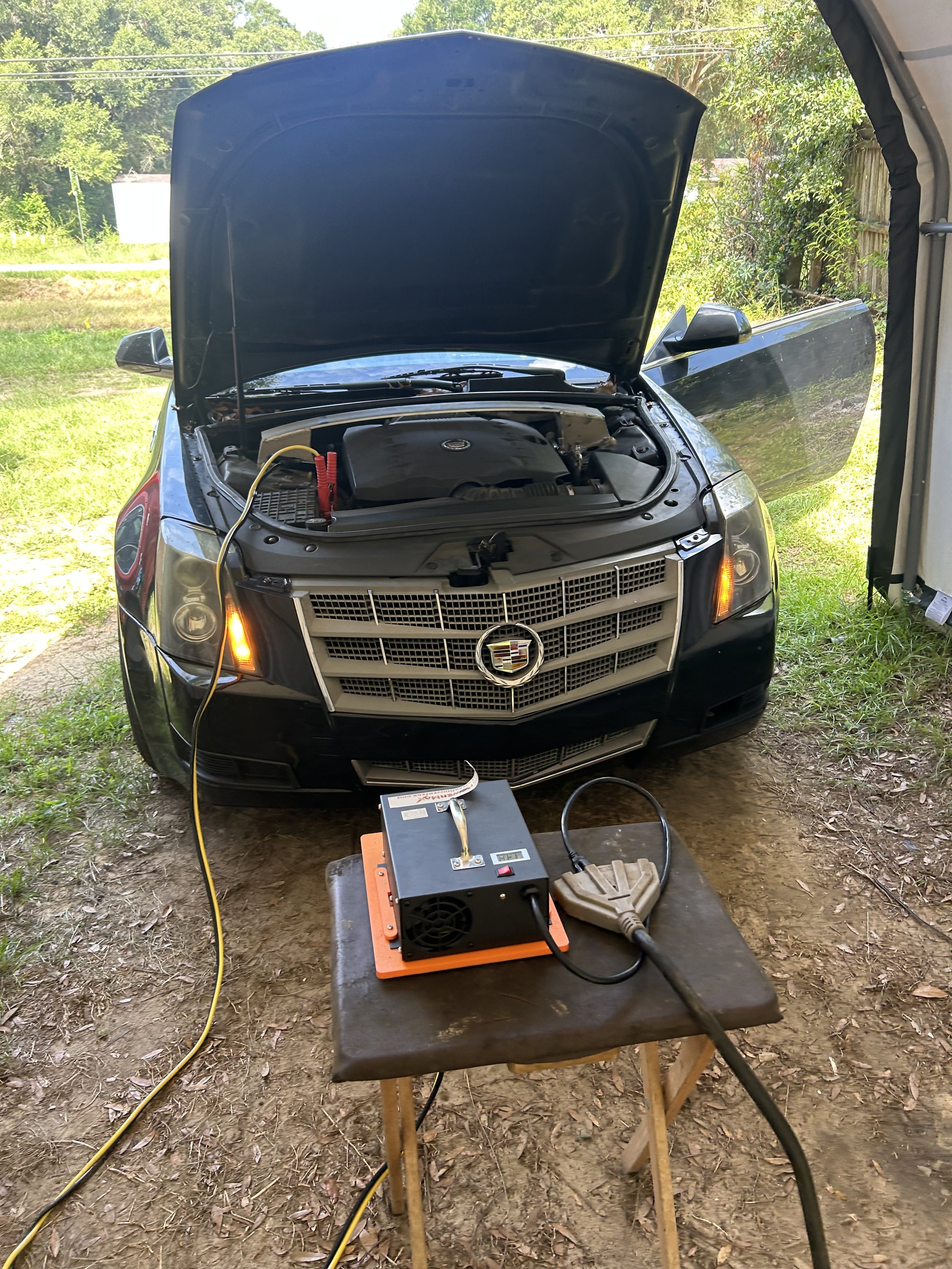
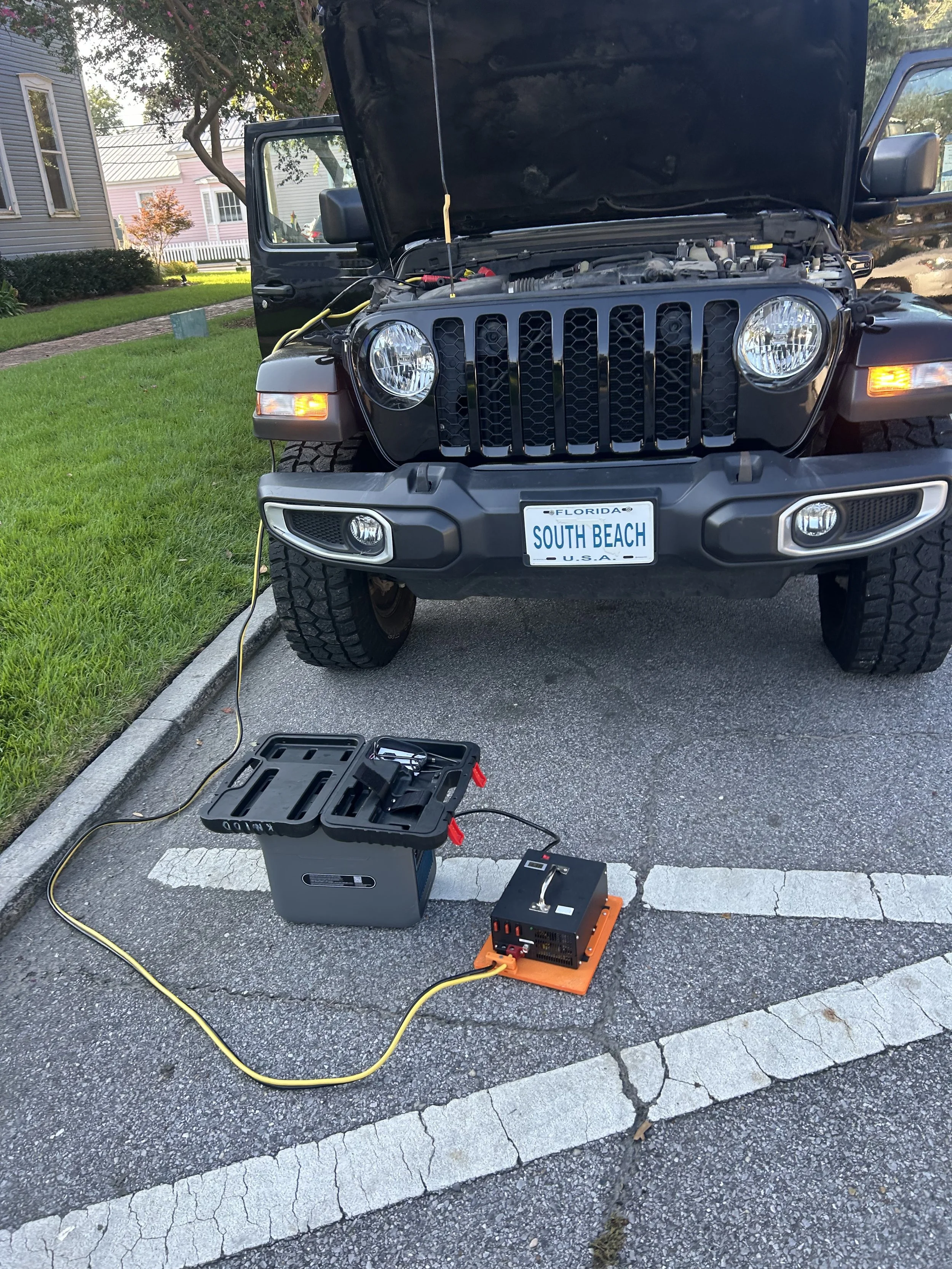
You’ll notice that every vehicle we program is connected to a battery maintainer. This is an important part of professional key and immobilizer programming.
Programming requires stable system voltage while communicating with the vehicle’s computers. A voltage drop during programming can cause communication errors, failed programming, or—in some cases—module problems.
That’s why we use a battery maintainer throughout the process: stable voltage, reliable communication, and safer programming.

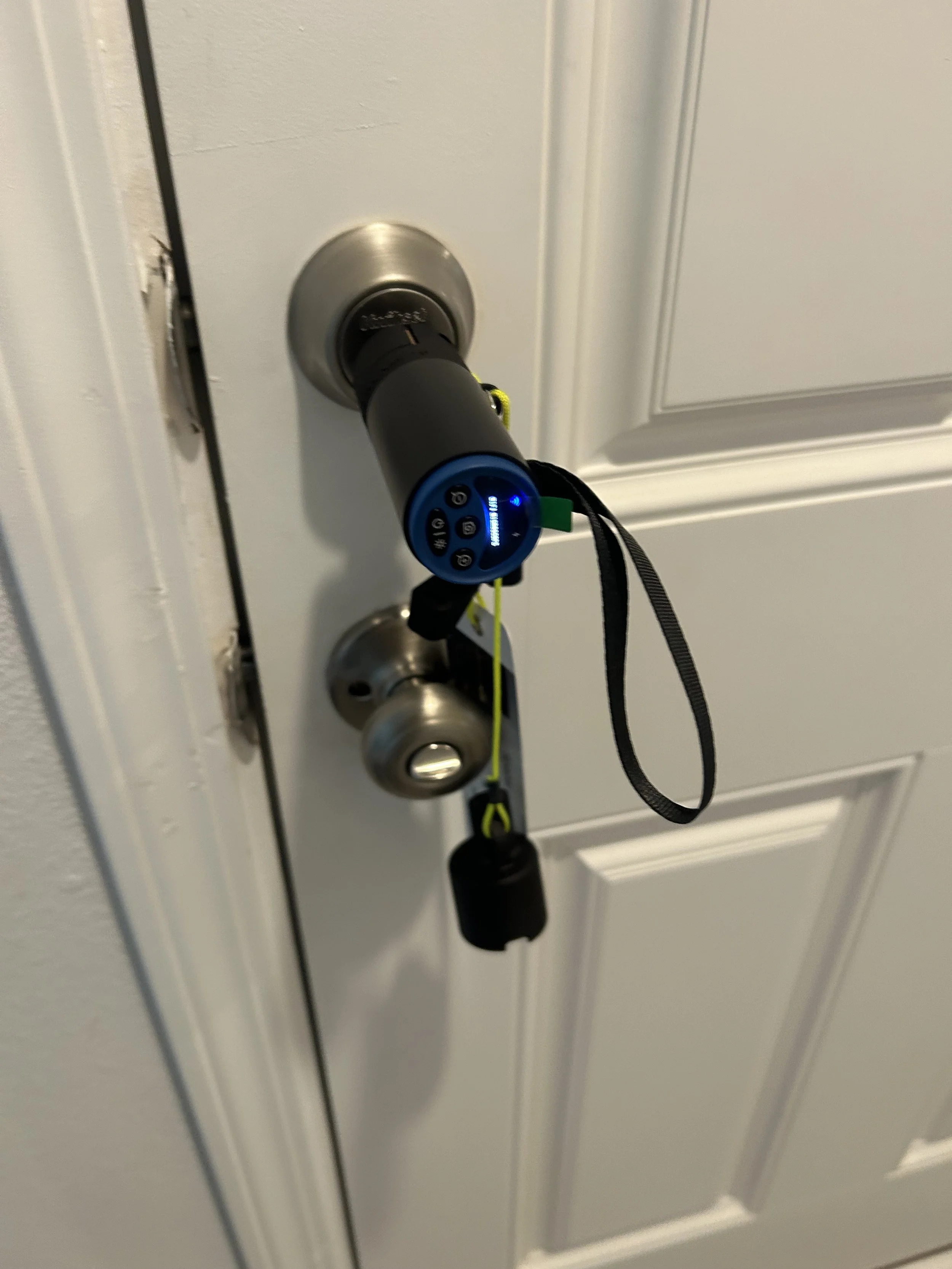
Locked out of your home? We offer professional residential lock picking using specialized Lishi tools to open many locks quickly and without unnecessary damage.
For residential lockouts in Pensacola and surrounding areas, call Stephen Serven Key Fob & Auto Lock LLC. Proof of residency or ownership is required.
🔑 Fast, professional service
🏠 Residential lockouts
📍 Pensacola, Florida
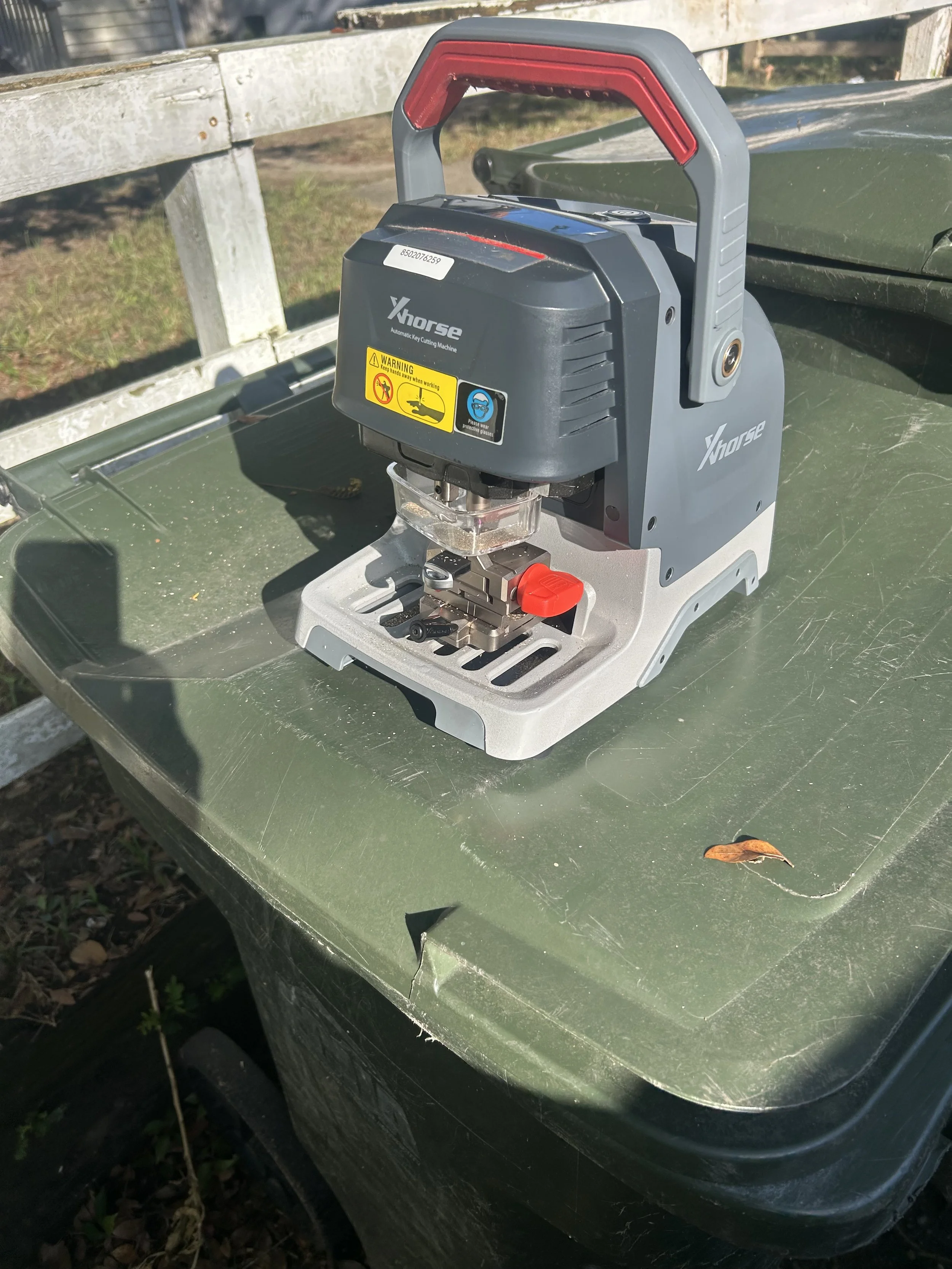
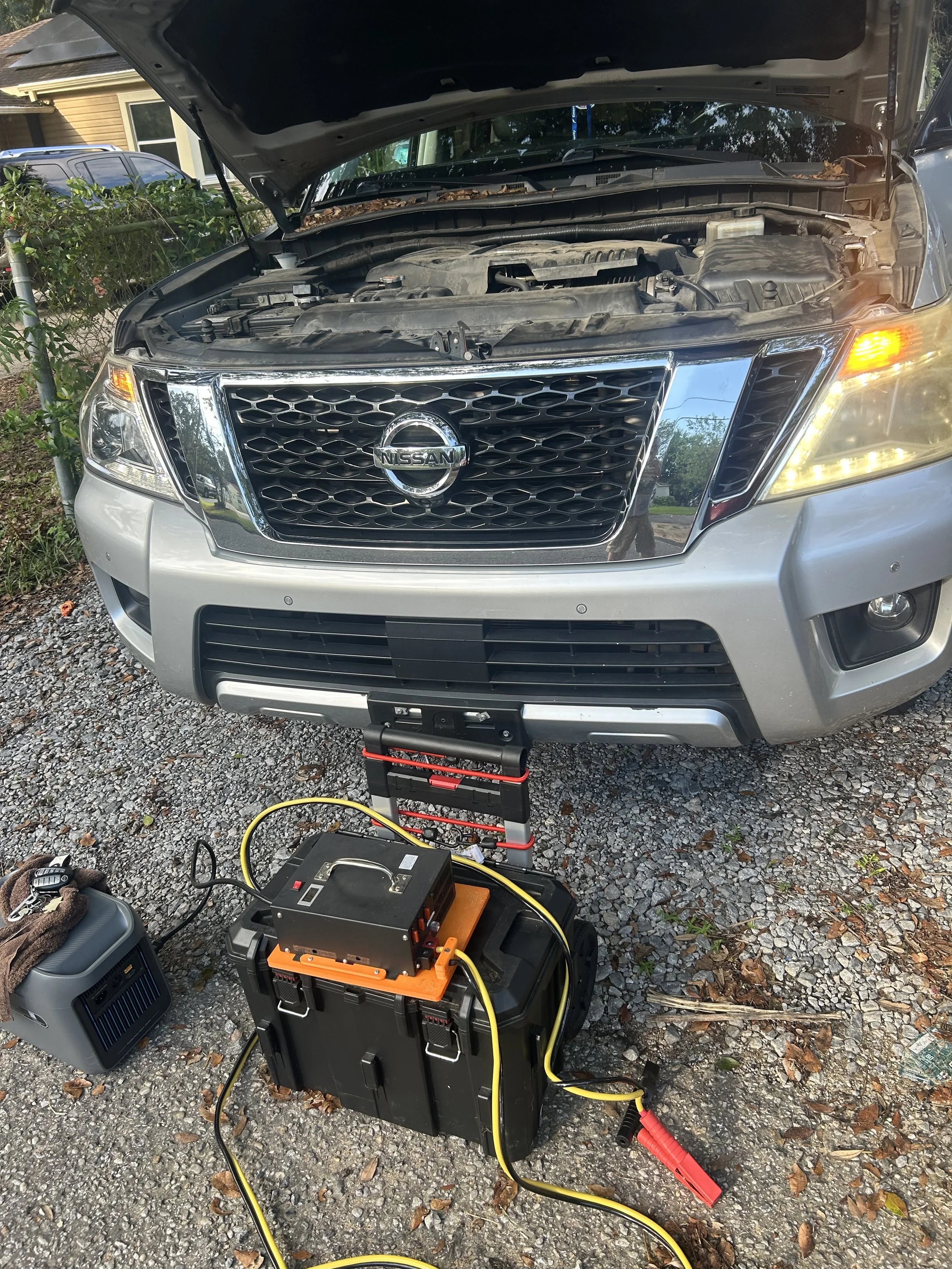
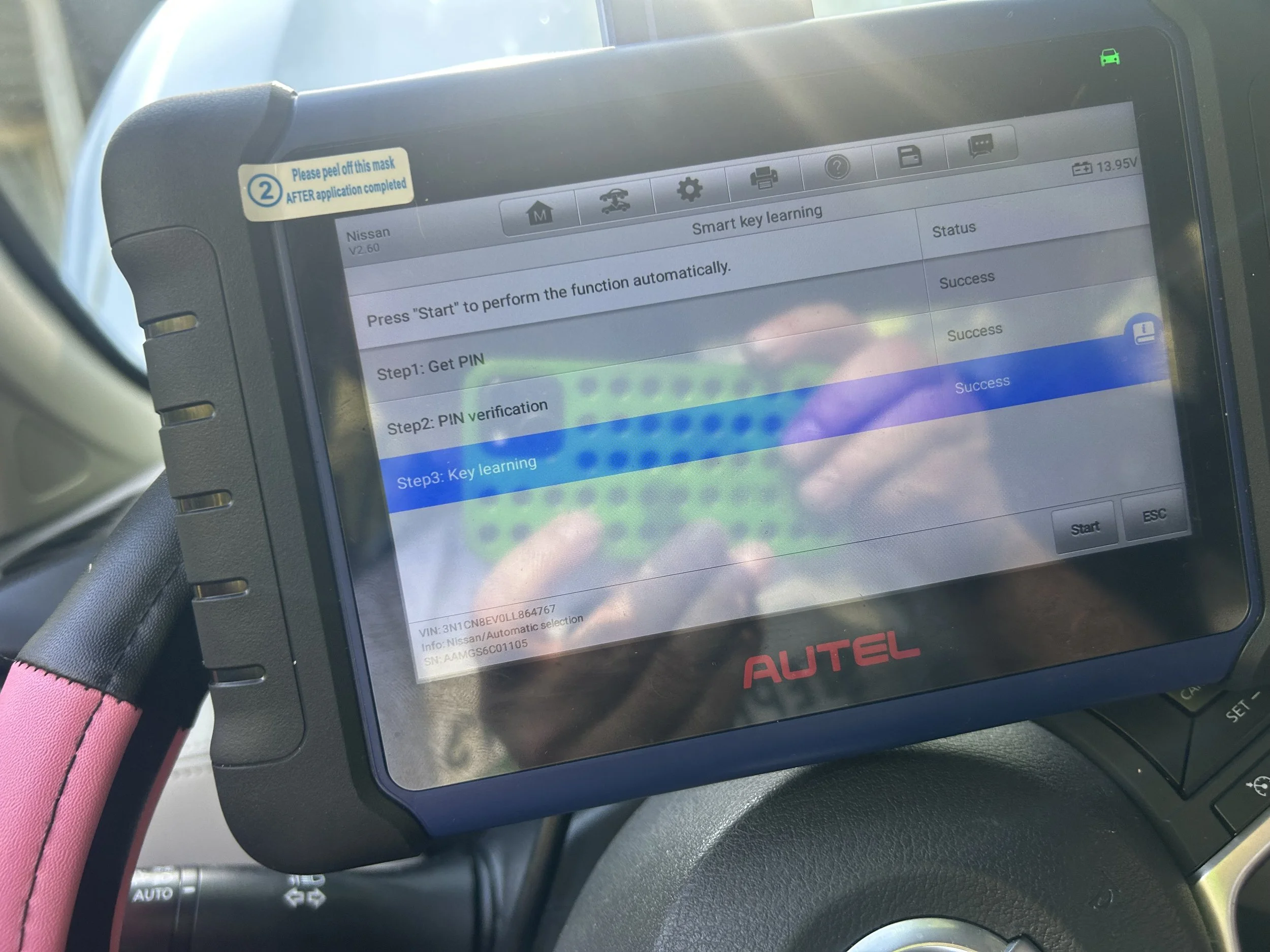
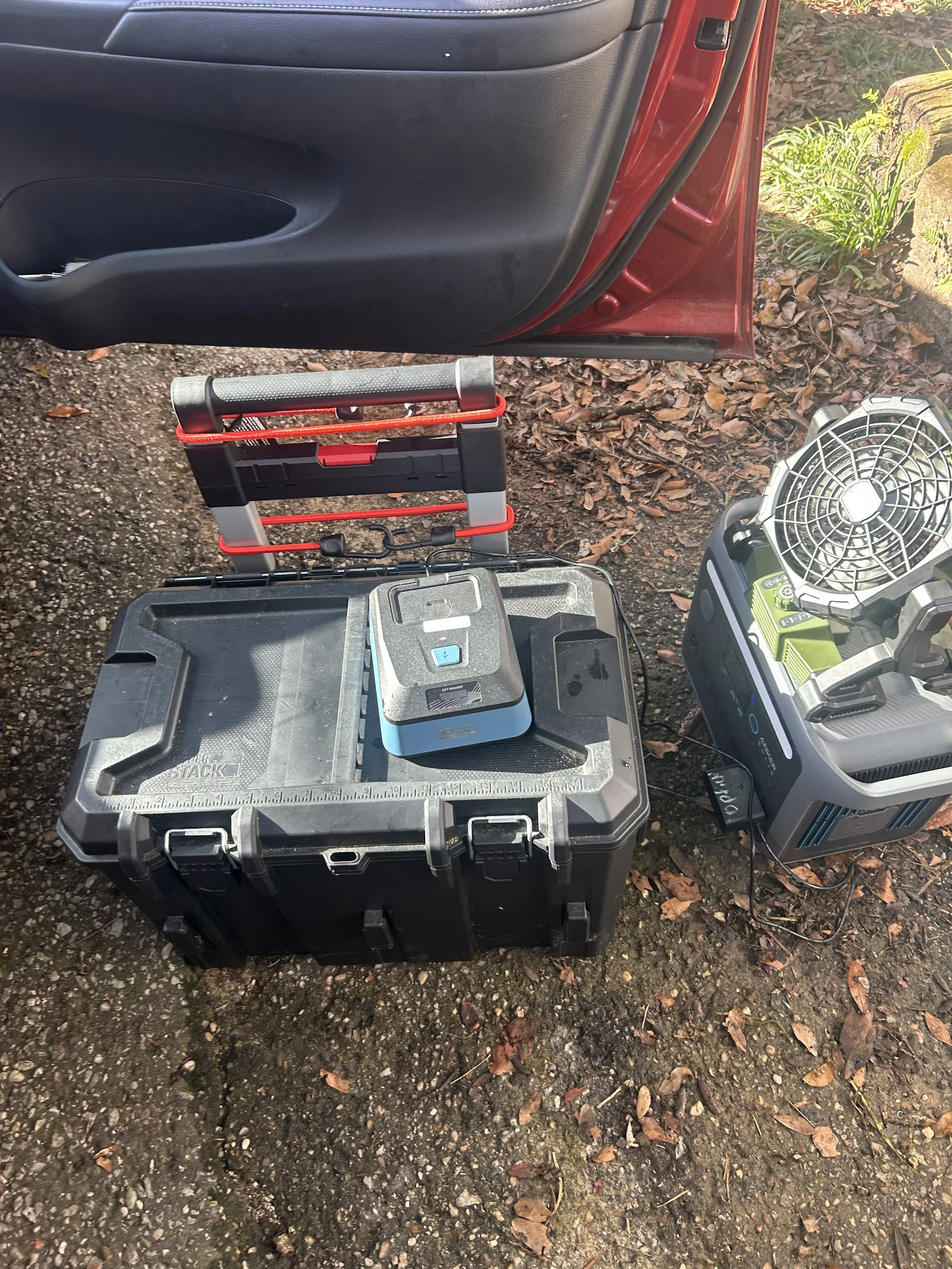
Getting this 2018 Nissan Armada ready for key programming in Pensacola, Florida. The vehicle is about to be connected to a voltage maintainer to keep the battery stable during programming.
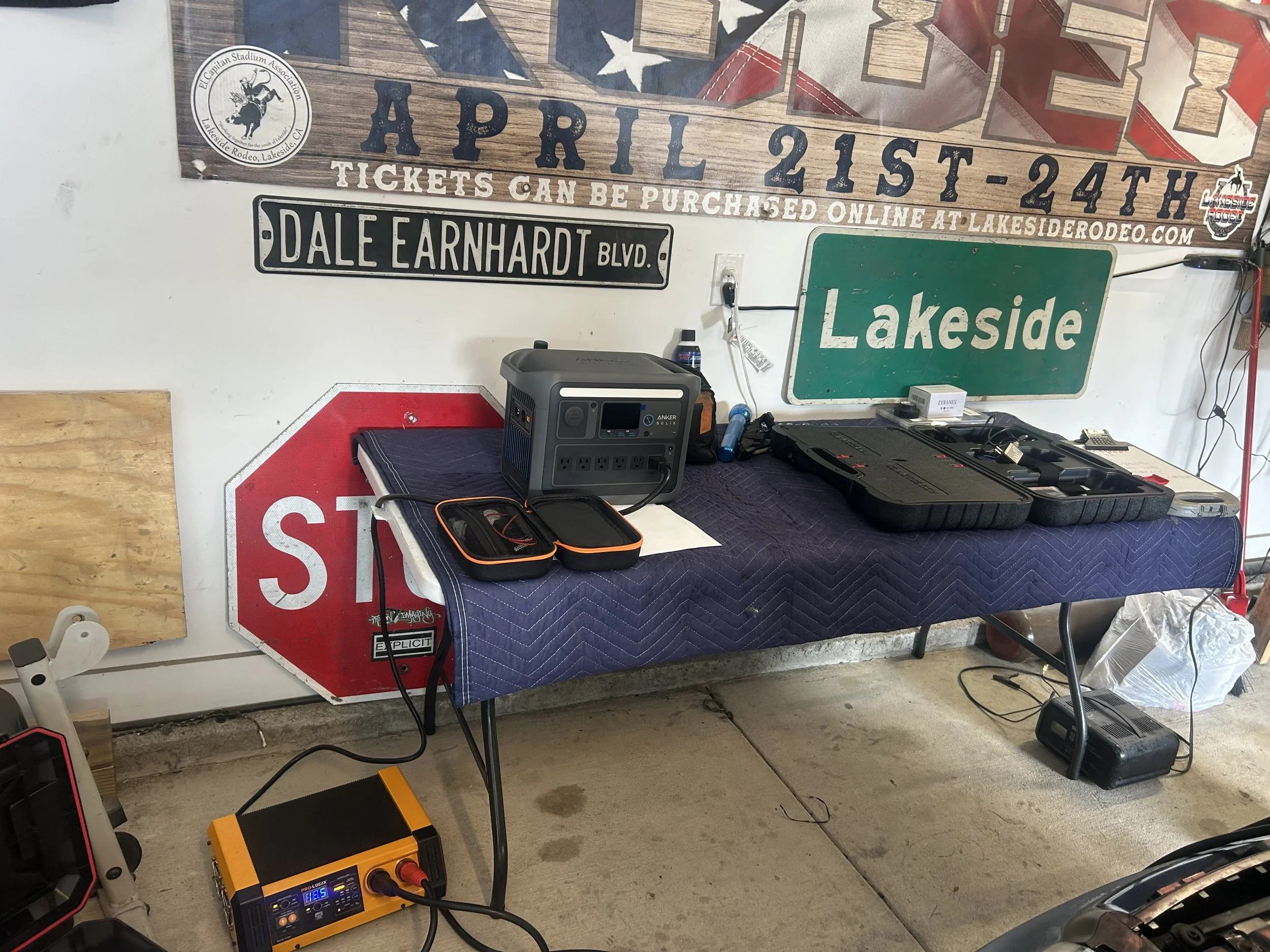
The other pictures show the key cutter and optical key reader set up for accurate key duplication.
Stephen Serven Key Fob & Auto Lock LLC
#NissanArmada #KeyProgramming #KeyDuplication #AutomotiveLocksmith #PensacolaLocksmith
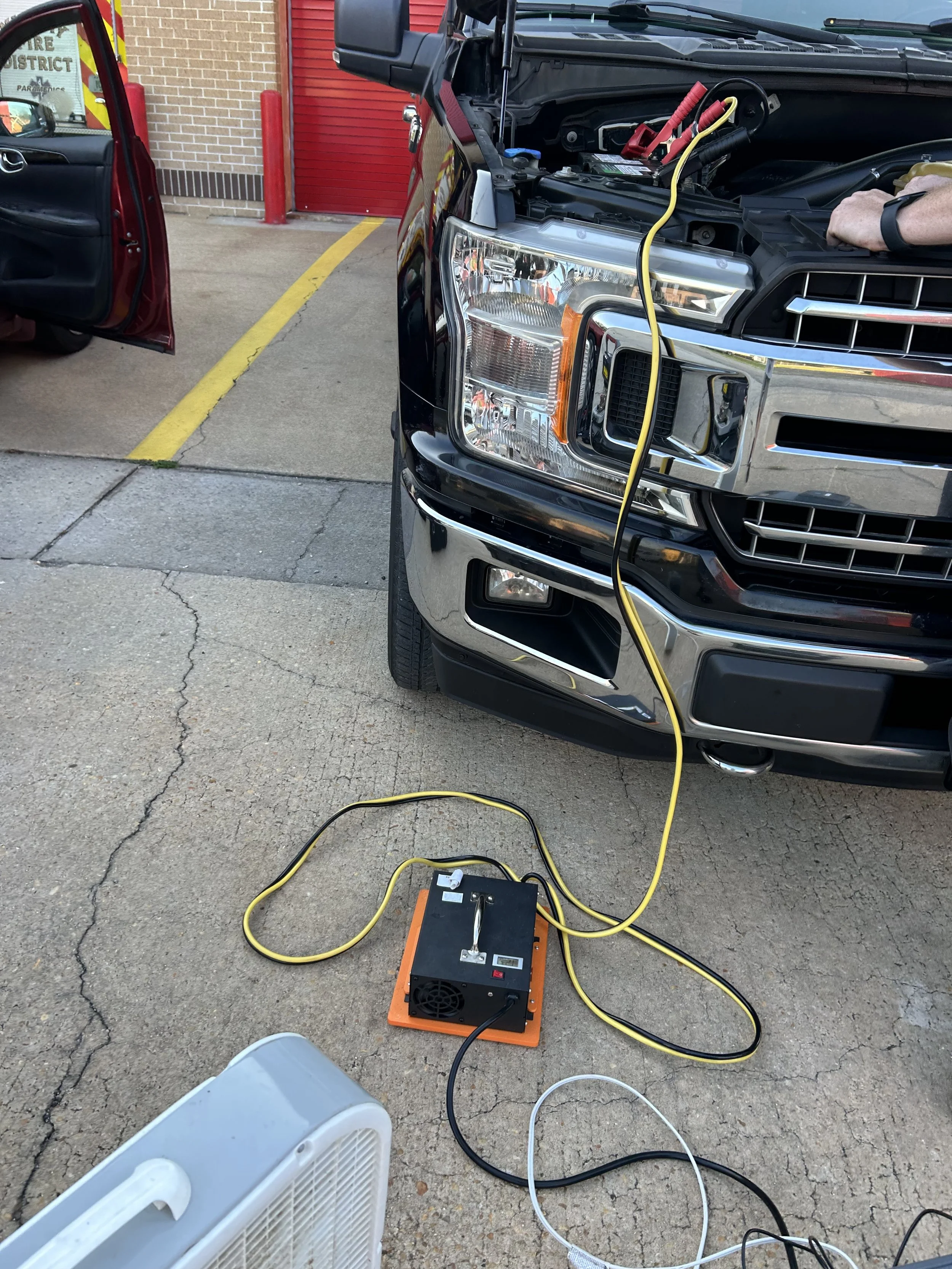
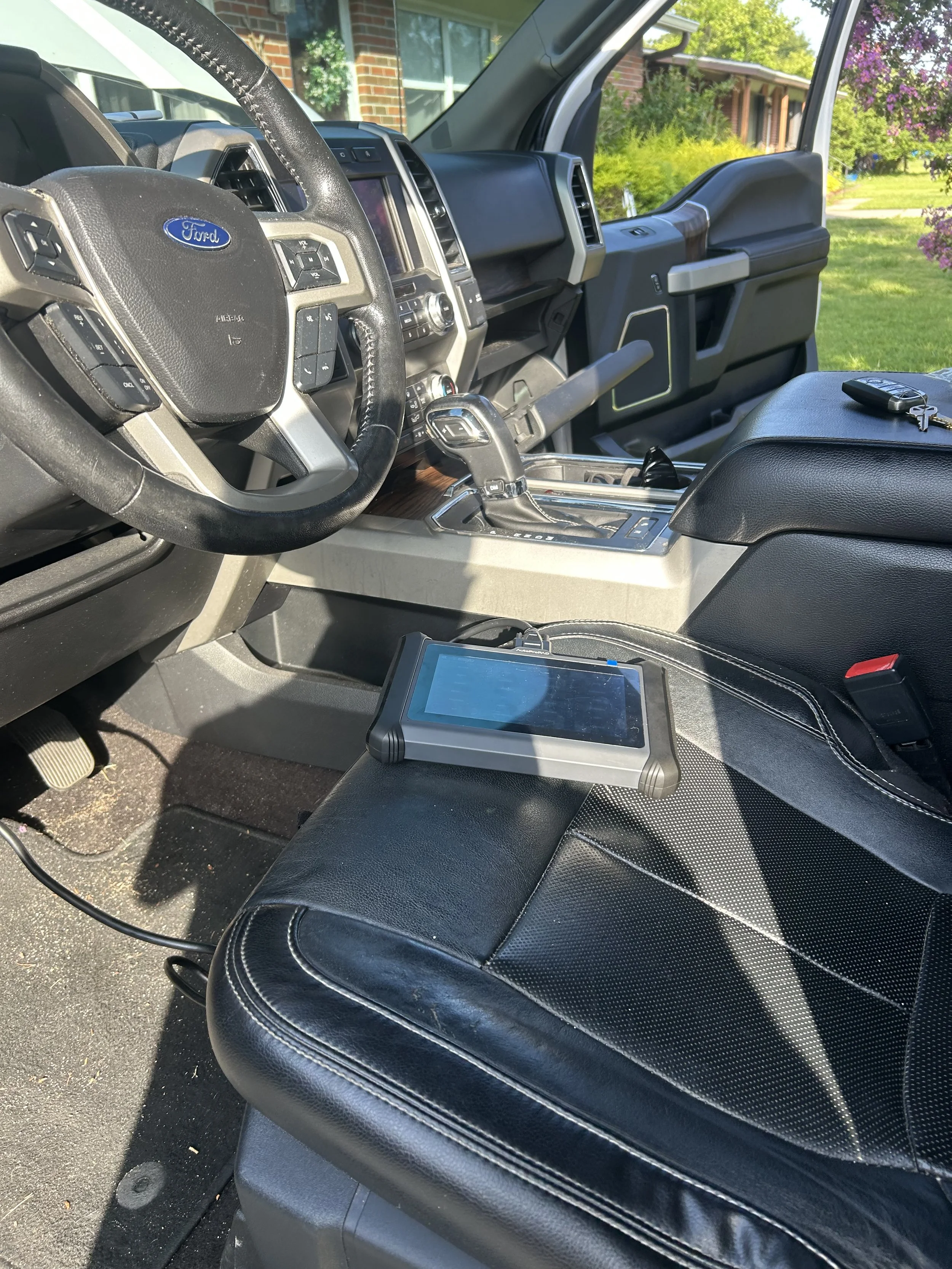
2018 Ford F-150 flip key cutting and programming in Gulf Breeze, Florida.
You’ll notice that every vehicle we program is connected to a battery maintainer. This is an important part of professional key and immobilizer programming.
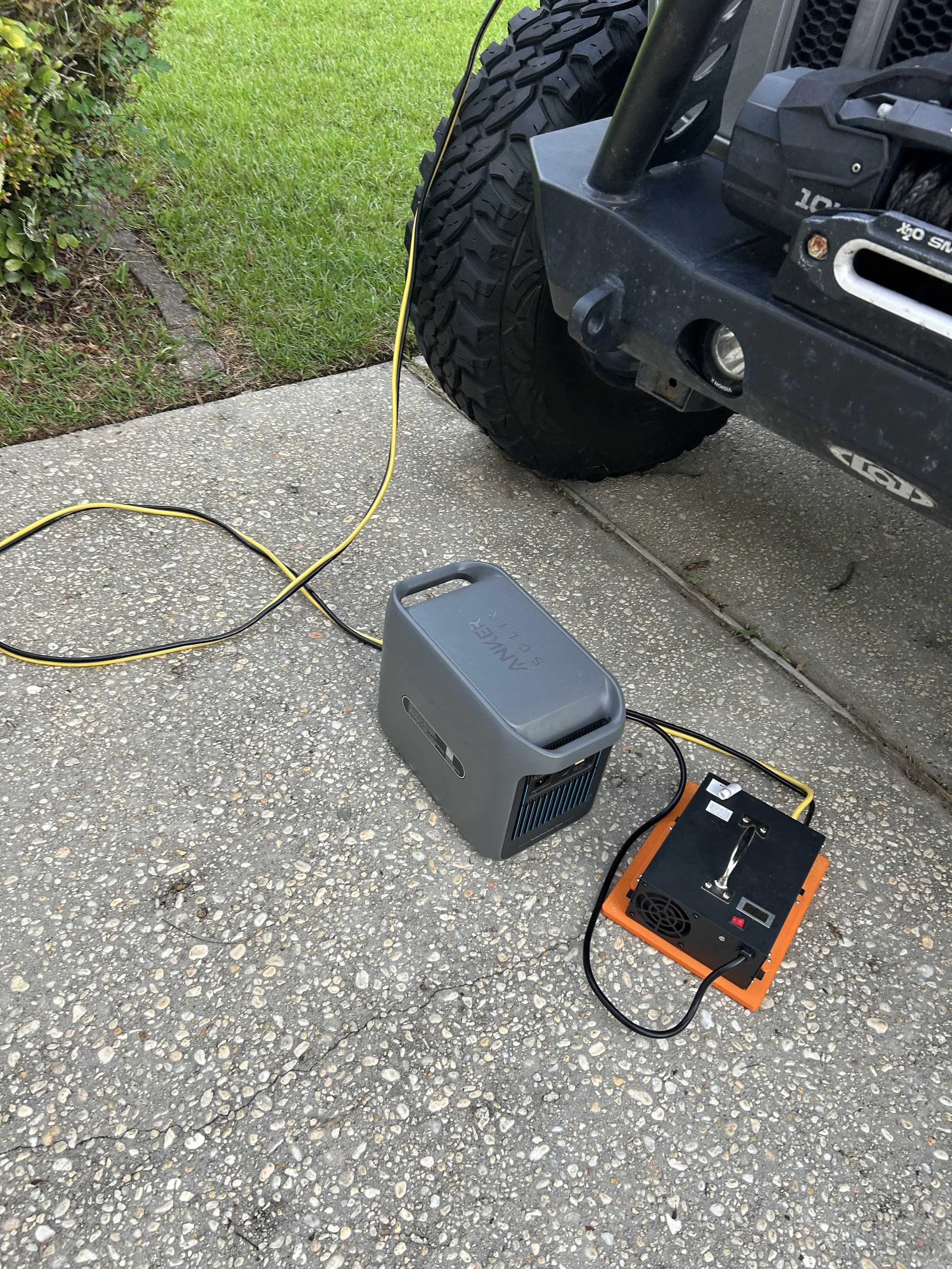


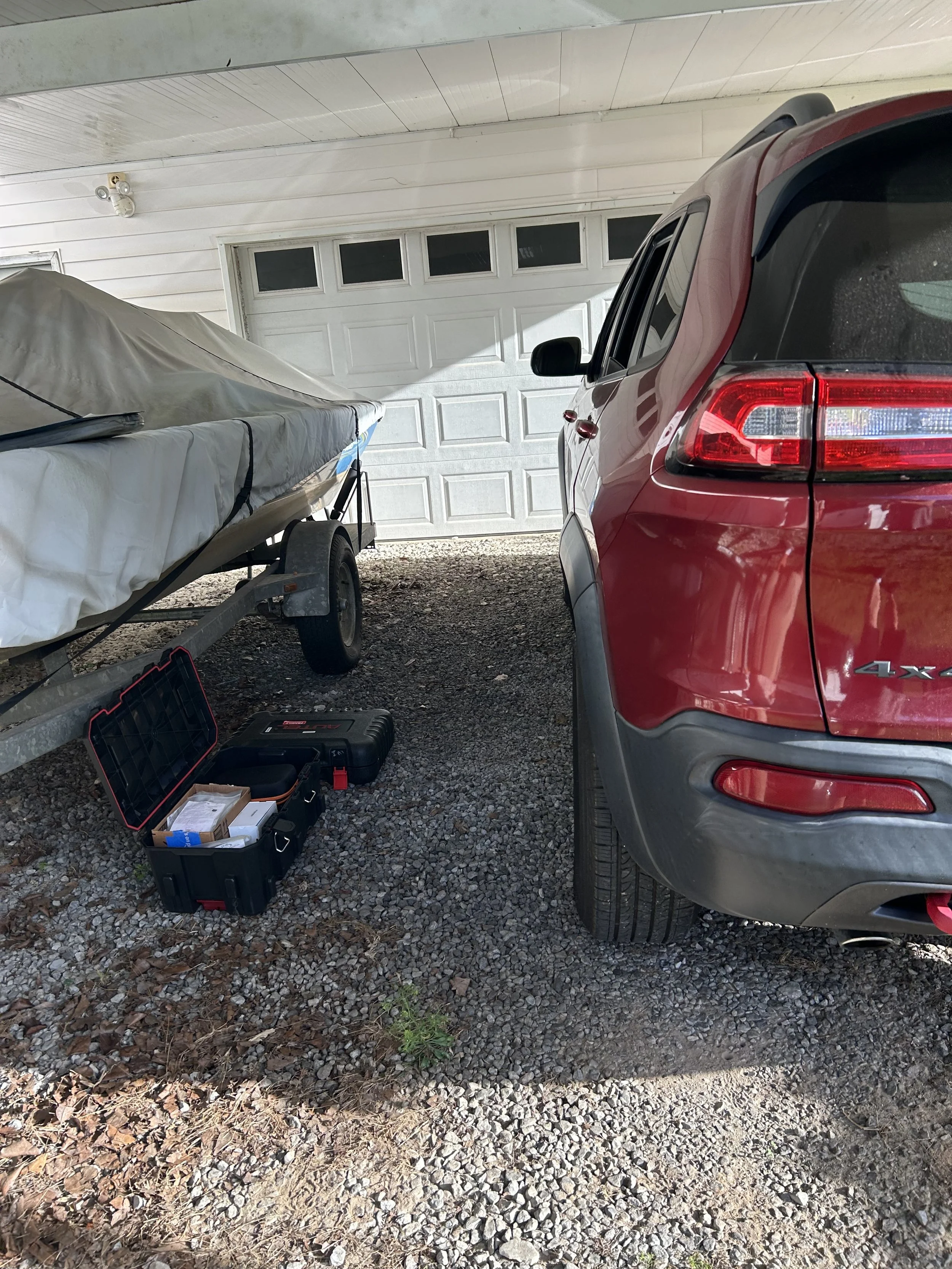
2019 Jeep Wrangler connected to a battery maintainer during all-keys-lost smart key programming in Pace, Florida.

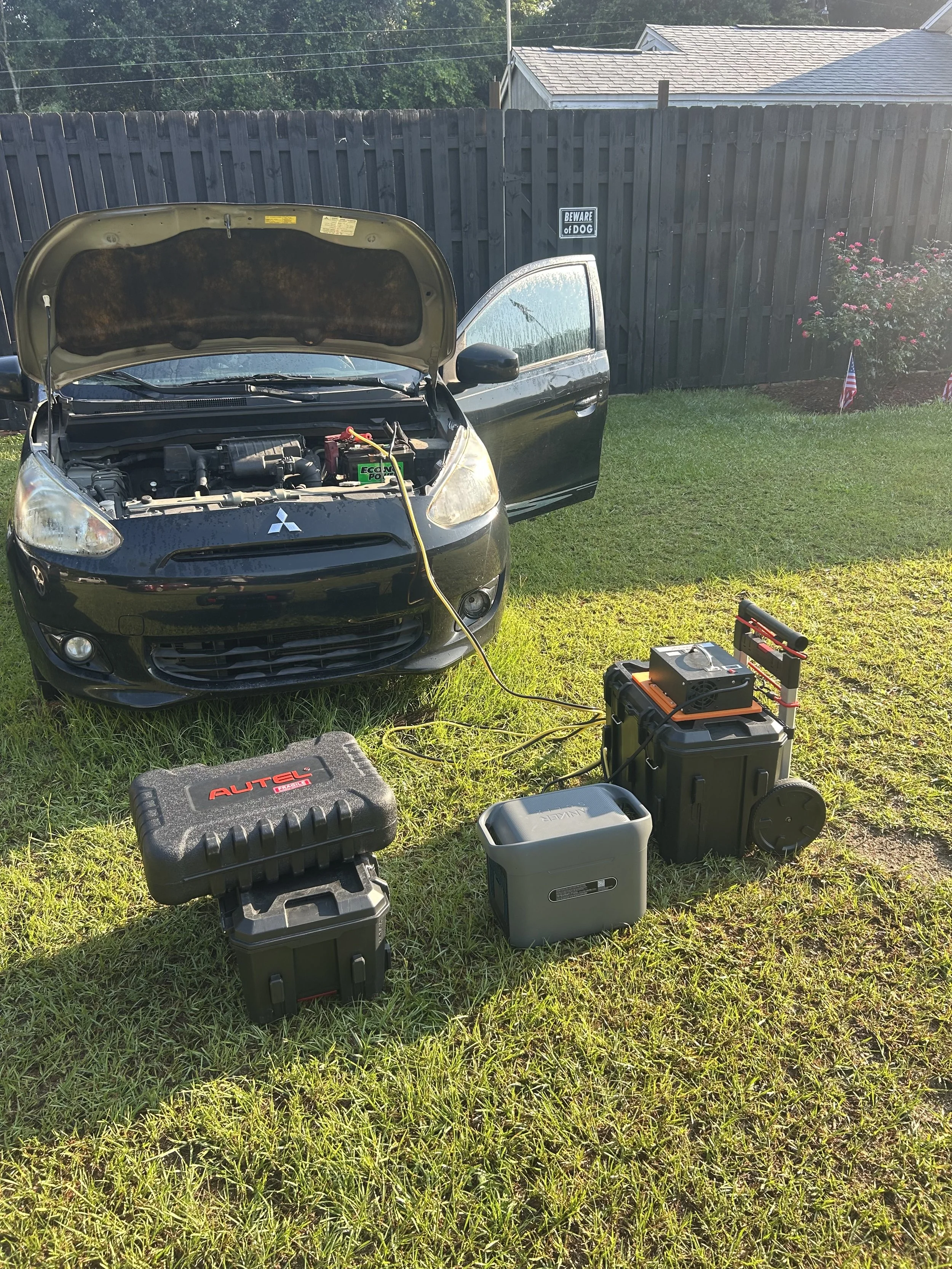
Mobile automotive locksmith performing an all-keys-lost service on a 2014 Mitsubishi Mirage in Pensacola, Florida. A new transponder key was cut and programmed using professional diagnostic and key programming equipment. Stephen Serven Key Fob & Auto Lock provides mobile key replacement, key programming, lockouts, and ignition services throughout Pensacola and surrounding areas.
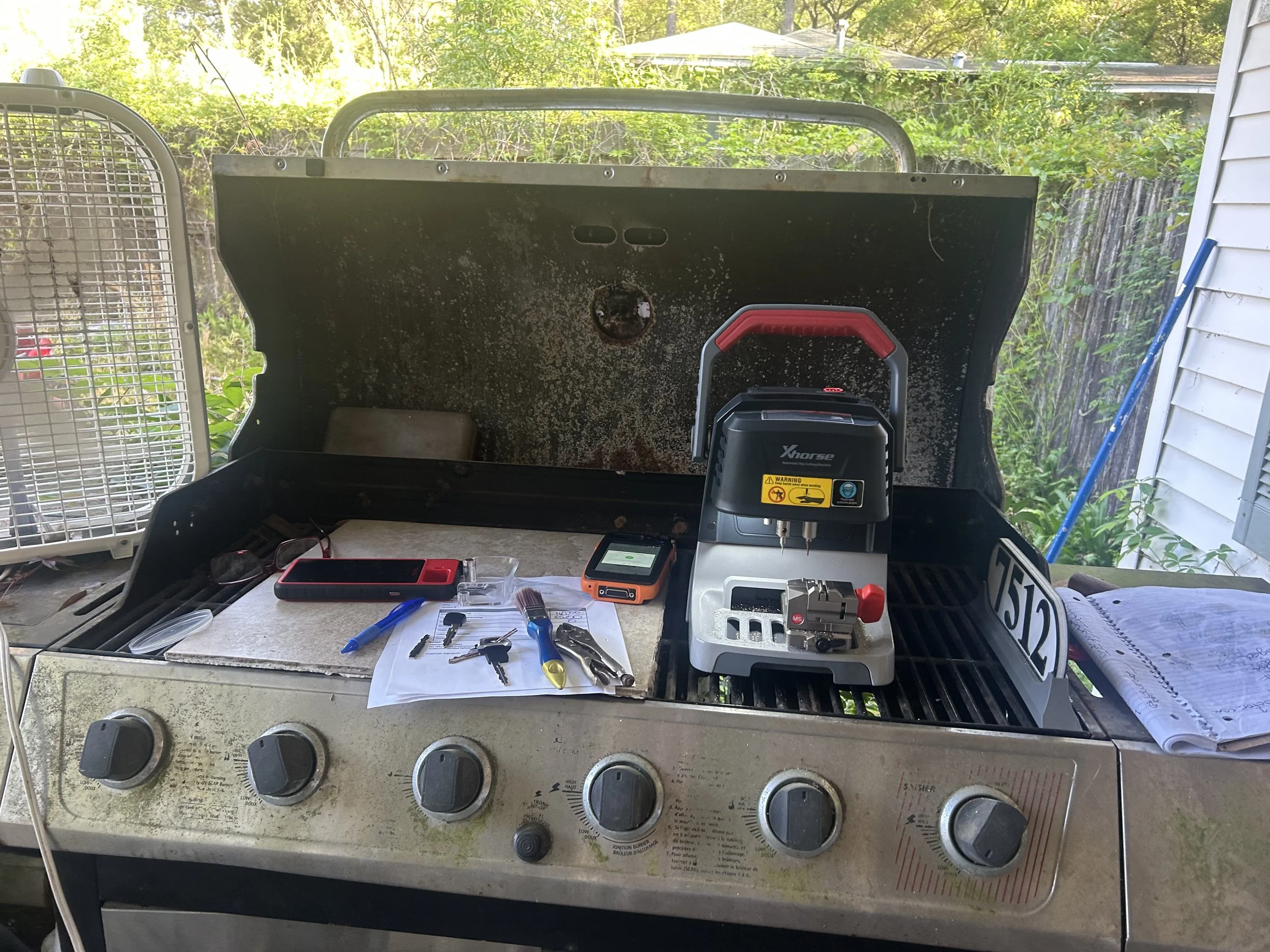
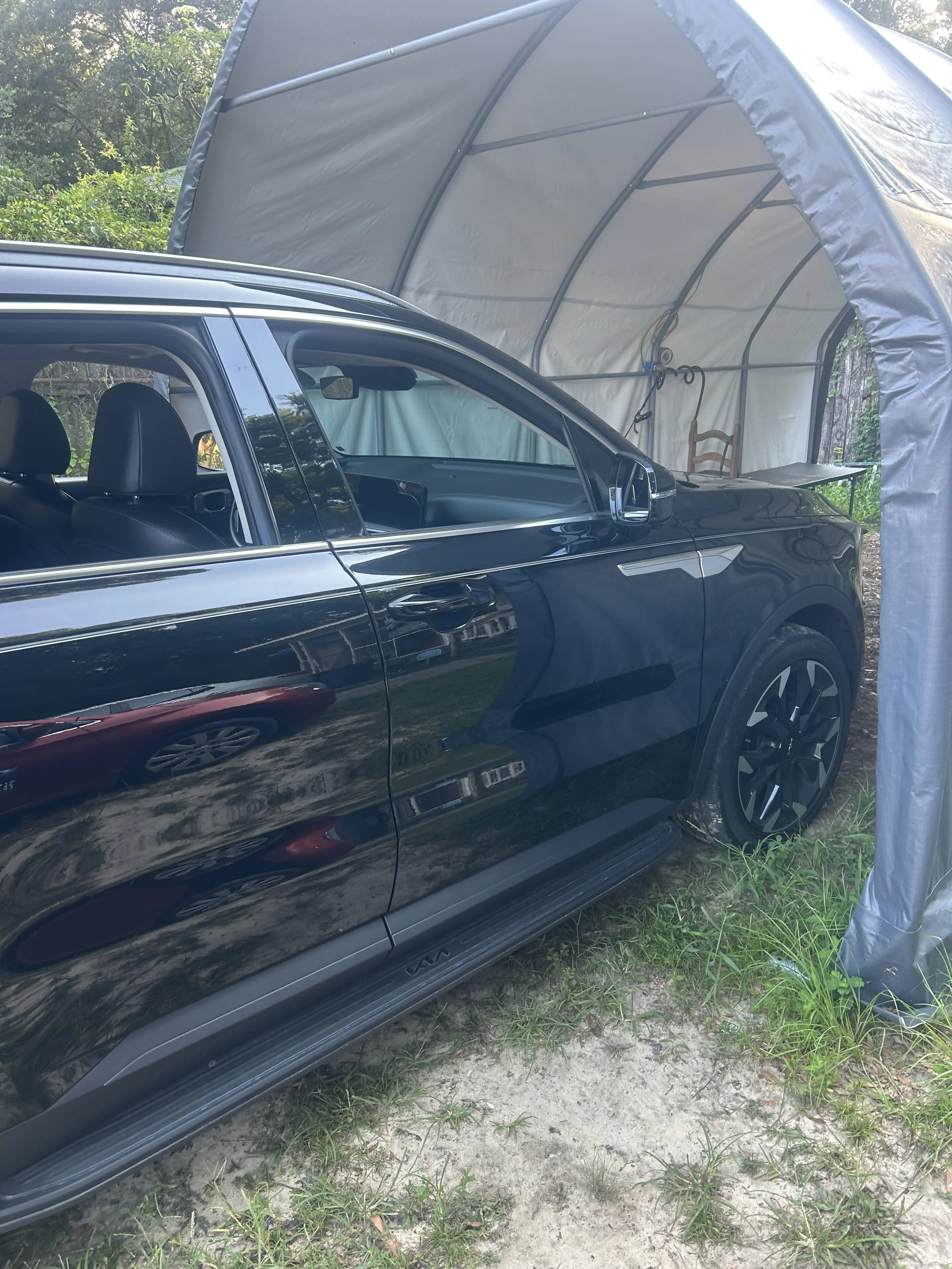
🔑 Another successful job completed!
2025 Kia Sorento – Smart Key Added
Customer came by needing an additional OEM smart key programmed for his 2025 Kia Sorento. The key was cut, programmed, and fully tested in under an hour.
Everything worked perfectly, and the customer was back on the road with a second fully functional smart key.
Thanks for your business!
📍 Pensacola, Florida
📞 850-207-6259
#PensacolaLocksmith #KiaSorento #Kia #SmartKey #KeyProgramming #AddAKey #CarKeyReplacement #AutomotiveLocksmith #Pensacola #KeyFob #OEMKey #MobileLocksmith

Lishi pick a Ford FO38 door lock on an F-150. This allows an accurate replacement key to be cut without damaging the vehicle.
Stephen Serven Key Fob & Auto Lock LLC
Pensacola, Florida
#FordF150 #FO38 #AutoLocksmith #CarKeyReplacement #PensacolaLocksmith

2011 Ford F-350 connected to a battery maintainer in Pensacola, Florida

Another successful key programming job at the shop today!
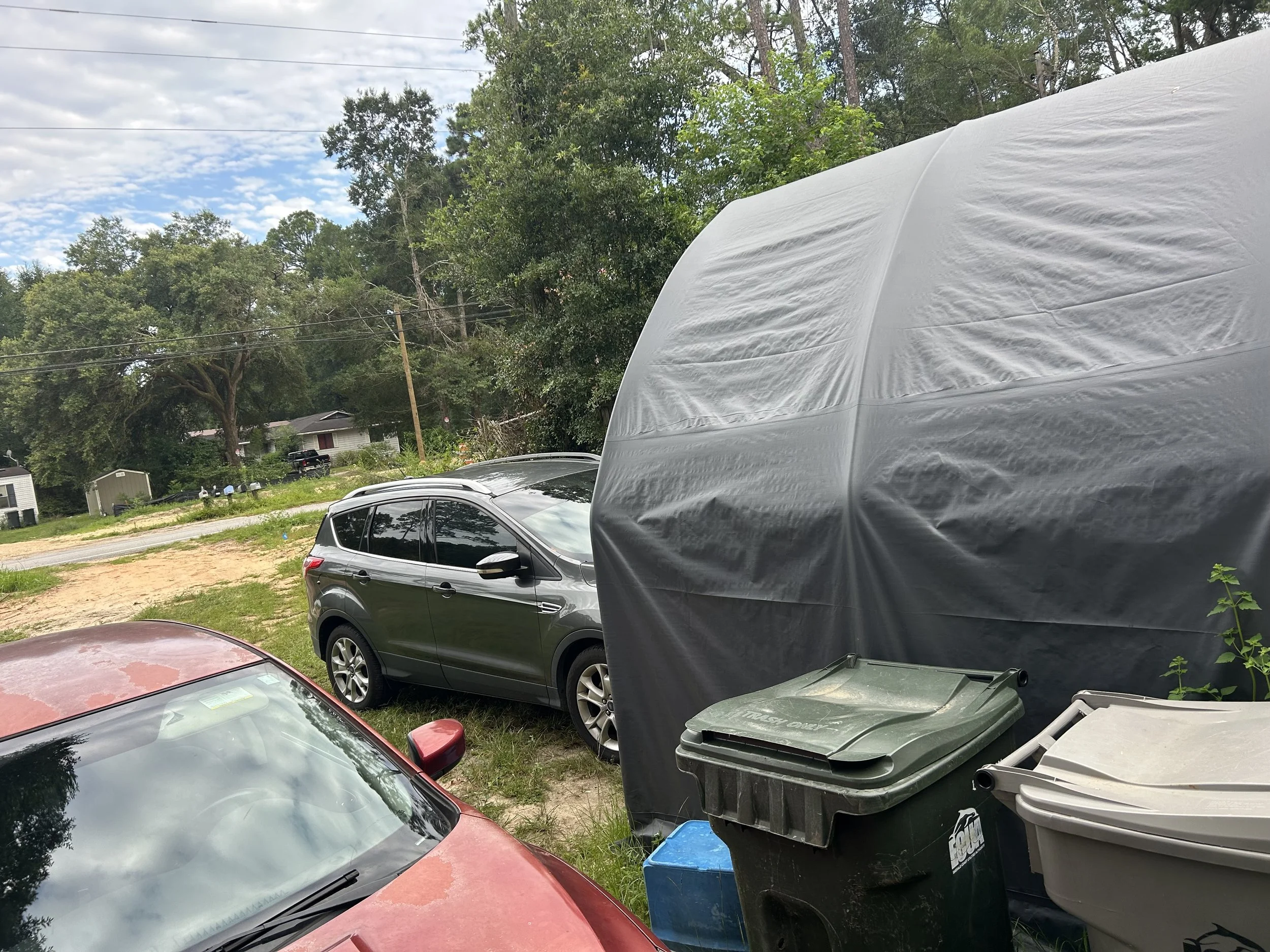
Today's vehicle was a 2015 Ford Escape—a model that's known for giving some locksmiths a hard time during programming. Fortunately, this one went smoothly.
The key registered on the second programming cycle, and once it did, everything worked exactly as it should.
✅ Key cut in about 30 minutes
✅ Programming completed in under an hour
✅ Customer back on the road

Professional Kwikset SmartKey lock decoding tool used for residential lockout service and key cutting by a Pensacola mobile locksmith. Pensacola mobile residential lock outs service.

Locked out in Pensacola, Gulf Breeze, Pace, or Perdido? I come to the vehicle.
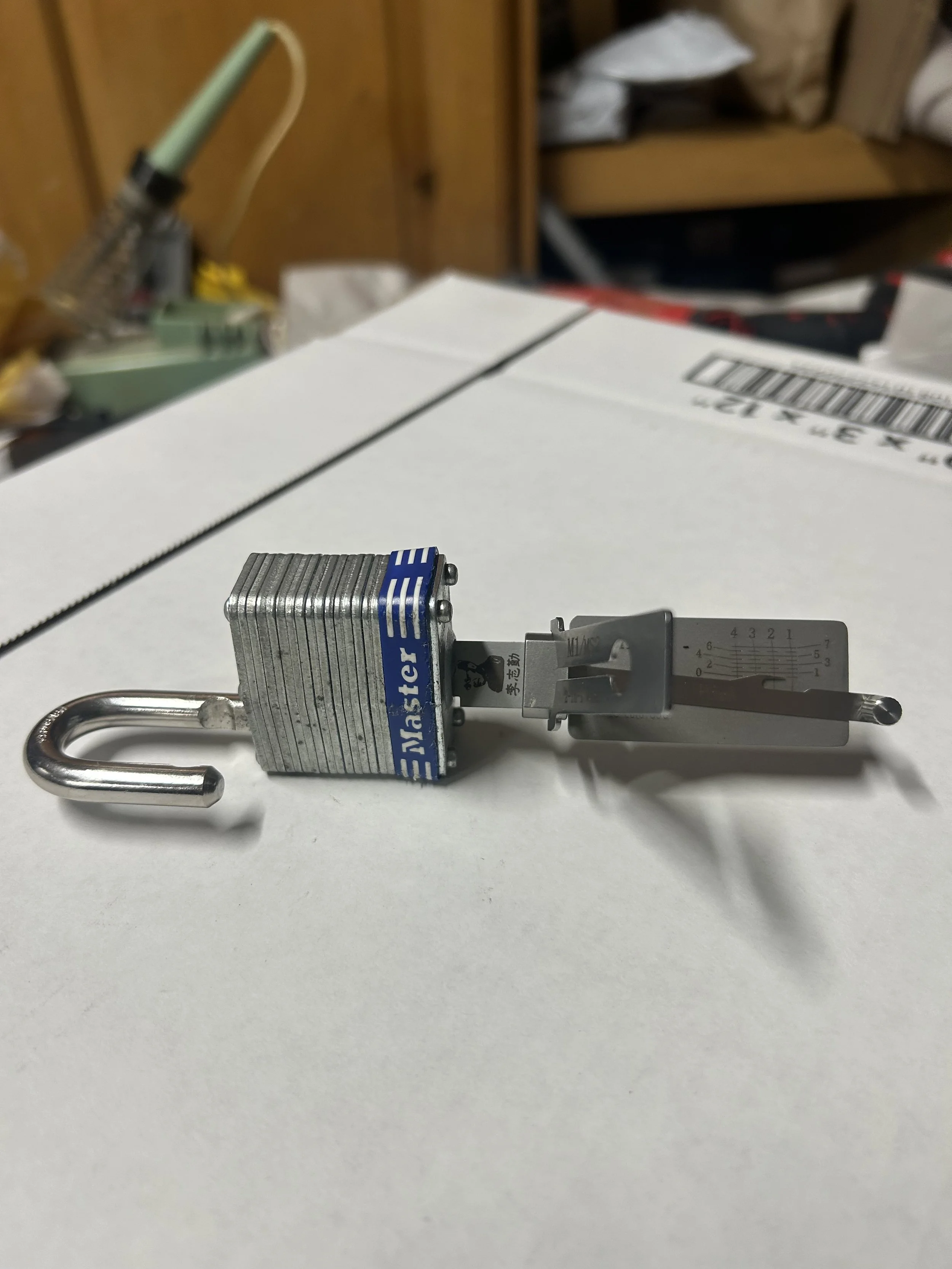
Now offering padlock Picking and decoding Non-Destructive .
M1 / MS2 Master Lock style. Shop locks and storage-unit lockouts.Key gone, lock won’t open, you need in — I open it on site.
Pensacola and the surrounding area.